All pests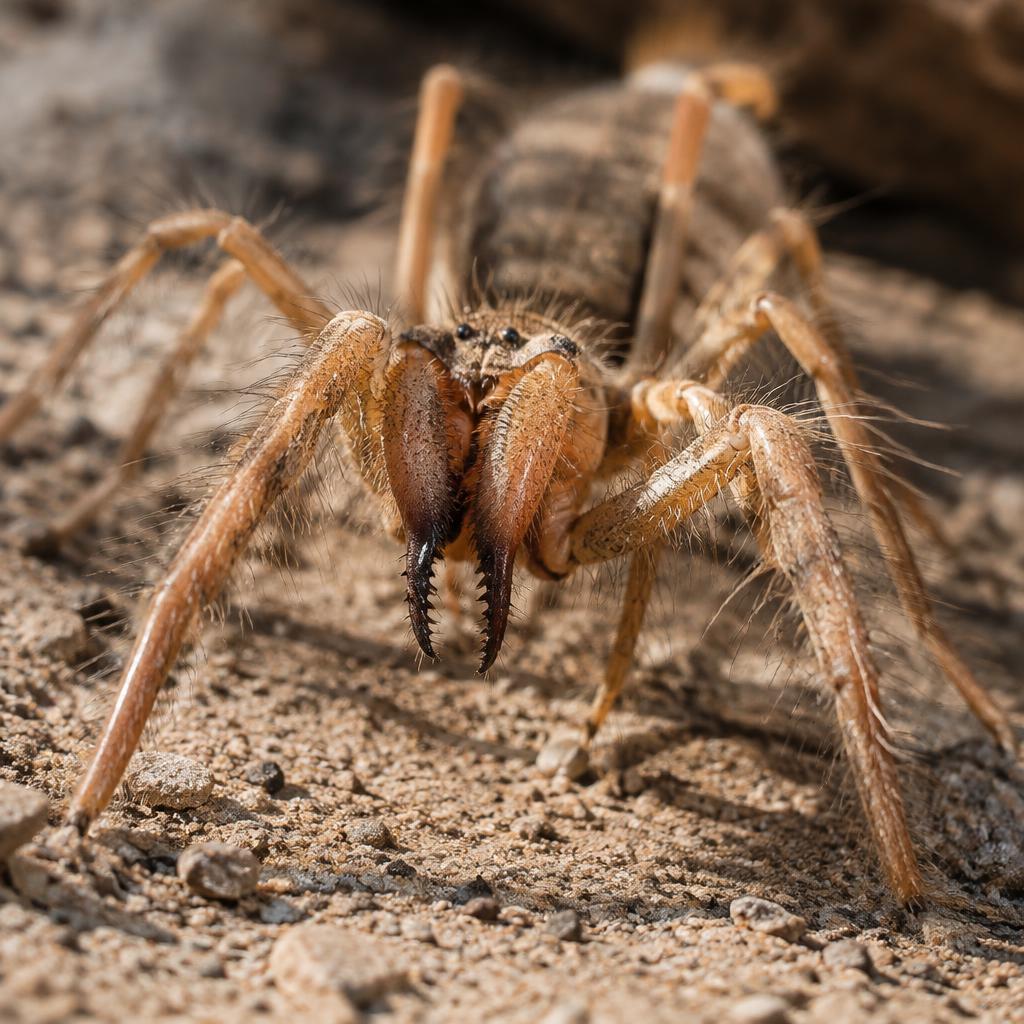 View full procedure
Arachnid
Wind Scorpion
Ammotrecha
Low Risk
Biology
Ammotrecha and related solifugids are arachnids commonly called wind scorpions or sun spiders. They have large, powerful chelicerae, long legs, and no venom gland or stinger. Body length ranges from 2–5 cm in North American species.
Behaviour
Solifugids are fast, nocturnal predators of insects, spiders, and small vertebrates in arid regions. They are solitary and highly mobile, often entering structures while hunting prey. Despite their formidable jaws, they are not venomous.
Habits
They are most often encountered in desert and semi-arid regions when they wander into garages, sheds, and ground-floor rooms. Bites can be painful and may break skin but are not medically significant beyond local wound care.
Control methods
- 1Seal ground-level gaps, door sweeps, and window screens
- 2Reduce outdoor lighting that attracts insect prey
- 3Remove debris, woodpiles, and stones near the foundation
- 4Use a container to capture and release solifugids outdoors
- 5Clean any bite wound with soap and water
- 6Reassure occupants that they are not venomous
Tailored to Wind Scorpion
IPM Procedure Checklist
Step 1
Inspection
- Survey interior and exterior for evidence and conducive conditions
- Document findings with photos and a site map
- Place monitors to confirm activity
Step 2
Identification
- Confirm Wind Scorpion (Ammotrecha) — not a look-alike
- Note life stage and risk level: Low
- Capture clear photos and samples for the record
Step 3
Action Thresholds
- Tolerate low-level activity outside sensitive zones
- Act if activity moves indoors or near food
- Review threshold seasonally with the client
Step 4
Prevention
- Exclude entry points and harborage
- Improve sanitation and moisture control
- Modify habitat around the structure
Step 5
Control Methods
- Seal ground-level gaps, door sweeps, and window screens
- Reduce outdoor lighting that attracts insect prey
- Remove debris, woodpiles, and stones near the foundation
- Use a container to capture and release solifugids outdoors
Step 6
Monitoring & Evaluation
- Service monitors on schedule and trend captures
- Re-inspect for Wind Scorpion activity at follow-up
- Adjust tactics based on data; report findings to client