Bat
Townsend's Big-eared Bat
Corynorhinus townsendii
Biology
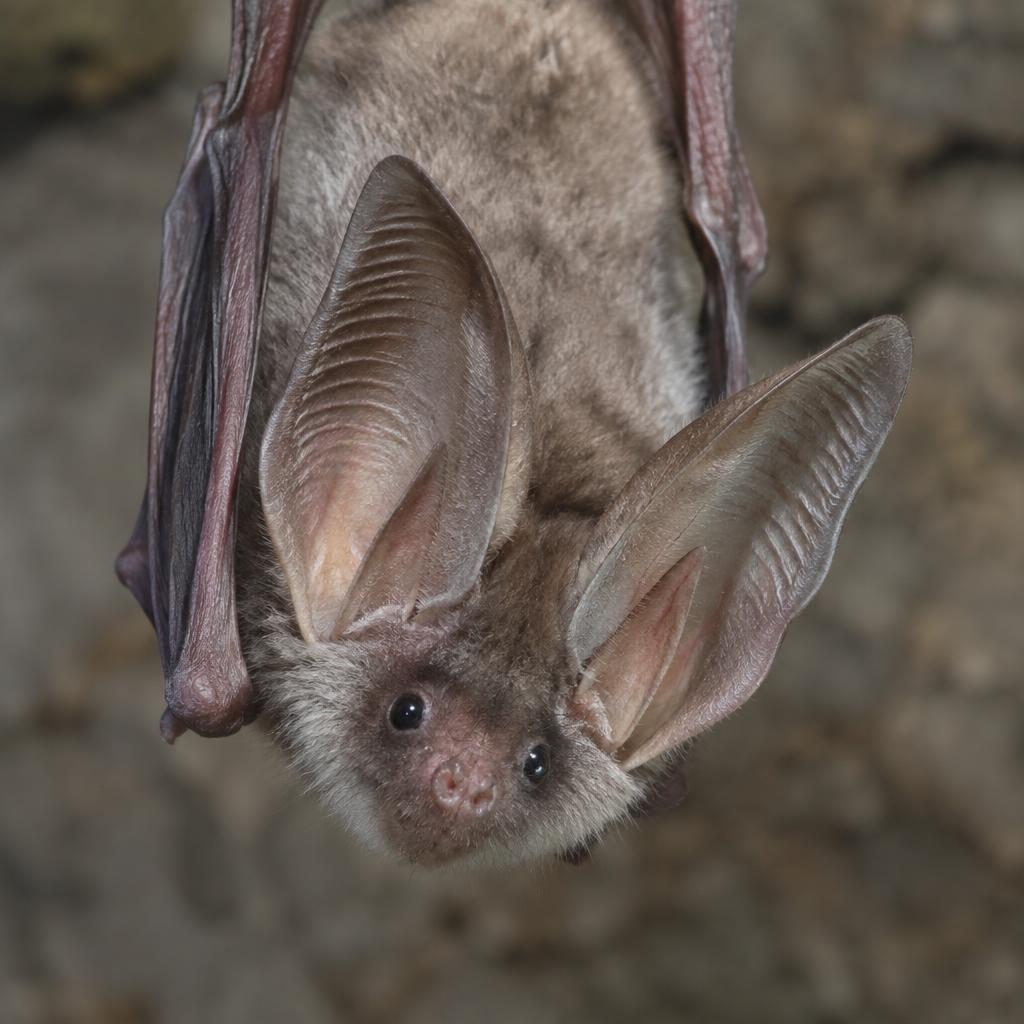
Corynorhinus townsendii is a medium-sized bat with an exceptionally long, rabbit-like ear and a 28–34 cm wingspan. Pelage is pale gray to brown. It is a cave- and building-roosting species that forms small colonies and is sensitive to disturbance.
Behaviour
These bats glean moths and small insects in flight and from surfaces. They prefer quiet, undisturbed roosts such as abandoned mines, caves, attics, and unused buildings. During hibernation they hang singly or in small clusters with ears curled back.
Habits
They may occupy old barns, church belfries, attics, and mine adits. Roosts are typically in warm, dark, stable-temperature areas. Disturbance or bright lights can cause abandonment, making careful, species-aware exclusion important.
Control methods
- 1Identify all roost and hibernation sites before action
- 2Exclude only during safe windows (avoid maternity and hibernation seasons)
- 3Install one-way bat doors at primary exit points
- 4Seal secondary gaps with caulk, flashing, or fine mesh
- 5Preserve known cave and mine habitats where possible
- 6Coordinate with wildlife agencies for protected populations
Tailored to Townsend's Big-eared Bat
IPM Procedure Checklist
Inspection
- Inspect at dusk to locate active entry/exit points
- Check attics, soffits and chimneys for guano
- Identify maternity colonies before any action
Identification
- Confirm Townsend's Big-eared Bat (Corynorhinus townsendii) — not a look-alike
- Note life stage and risk level: Low
- Capture clear photos and samples for the record
Action Thresholds
- Tolerate low-level activity outside sensitive zones
- Act if activity moves indoors or near food
- Review threshold seasonally with the client
Prevention
- Seal gaps ≥6 mm with caulk, mesh and flashing
- Cap chimneys and screen attic vents
- Provide alternative bat houses on the property
Control Methods
- Identify all roost and hibernation sites before action
- Exclude only during safe windows (avoid maternity and hibernation seasons)
- Install one-way bat doors at primary exit points
- Seal secondary gaps with caulk, flashing, or fine mesh
Monitoring & Evaluation
- Service monitors on schedule and trend captures
- Re-inspect for Townsend's Big-eared Bat activity at follow-up
- Adjust tactics based on data; report findings to client