Ant
Thatching Ant
Formica obscuripes
Photo gallery
Biology
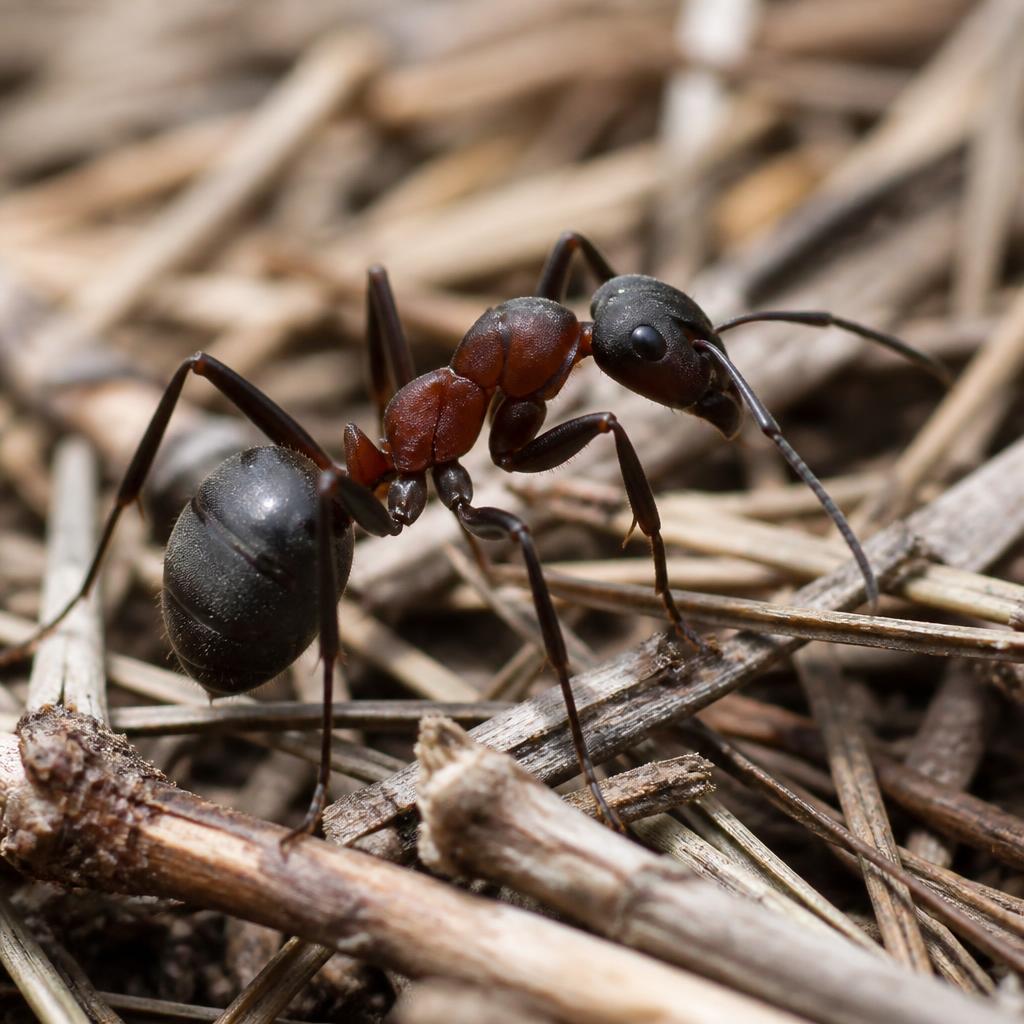
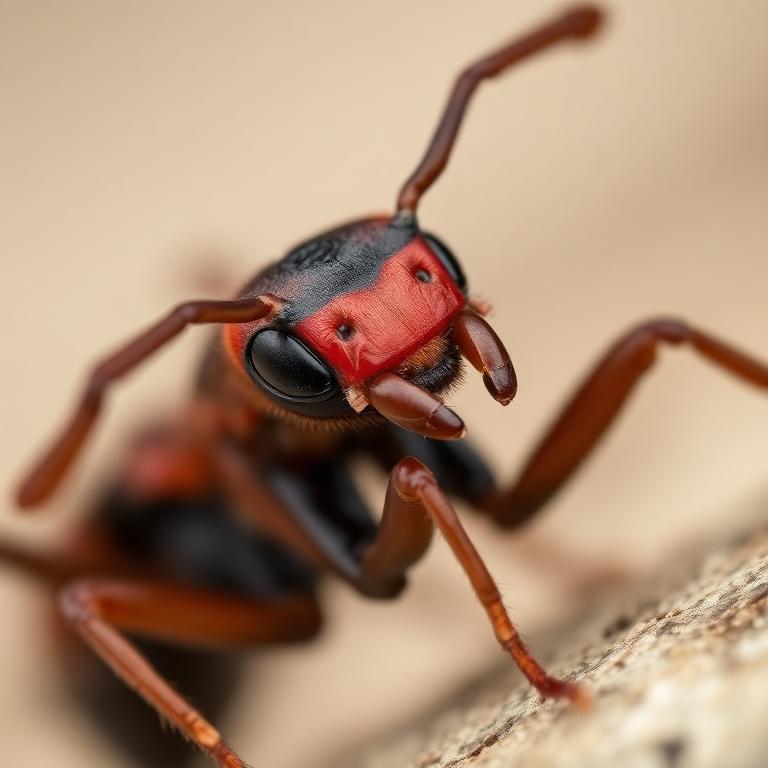
Formica obscuripes, belonging to the Formicinae subfamily, is typically a bicolored ant measuring 4-8 mm in length, characterized by a reddish-brown head and mesosoma contrasting sharply with a darker, often black, gaster. Colonies are polymorphic, containing reproductives (queens, males) and worker castes who are sterile females. Queens are long-lived, potentially surviving for over a decade, and colony growth can be substantial, with mature colonies housing tens of thousands to hundreds of thousands of workers, leading to massive structures. Mating flights generally occur in mid-to-late summer, and new colonies can be founded independently by a single queen (claustral founding) or through budding or adoption by existing colonies. Their development time from egg to adult worker is temperature-dependent, typically ranging from 3-6 weeks under optimal conditions.
Behaviour
Thatching ants exhibit a highly organized social structure, marked by significant cooperation in foraging and nest defense. Workers communicate through a combination of tactile cues, chemical signals, and alarm pheromones, which rapidly mobilize large numbers of defenders when the nest is threatened. These ants are primarily diurnal, actively foraging during daylight hours, but their activity diminishes in extreme heat or cold. Their aggressive defensive strategy involves biting with powerful mandibles while simultaneously spraying formic acid from the abdominal tip, a potent chemical weapon effective against various predators and rival ant species. This behavior, particularly when mounds are disturbed, poses a significant public health concern due to potential stings and acid exposure for humans and pets.
Habits
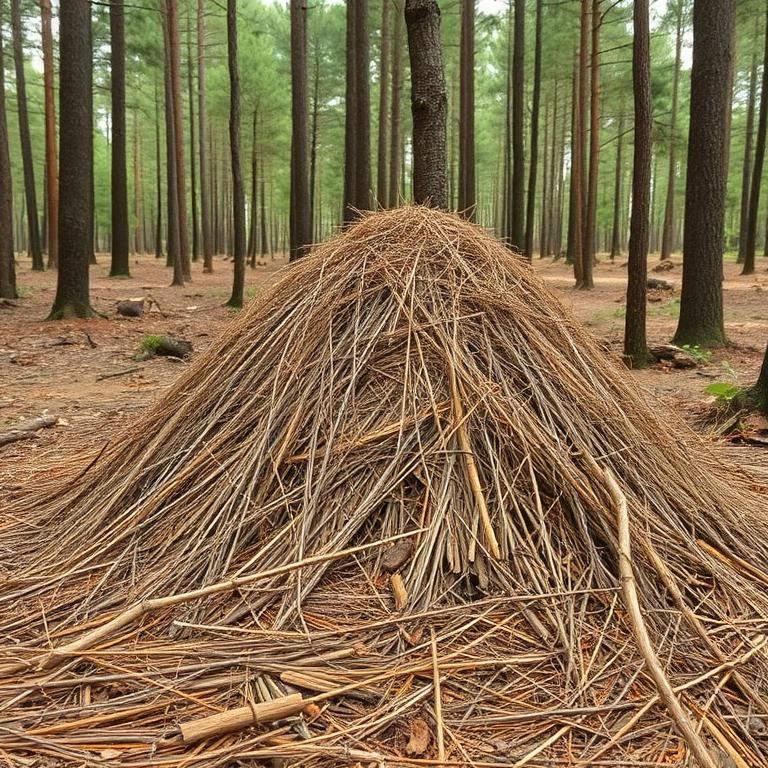
Formica obscuripes constructs conspicuous above-ground nests—mounds—composed of meticulously arranged thatch materials such as pine needles, twigs, grass, and other organic debris. These mounds provide thermal regulation, protecting the colony from temperature extremes, and can reach impressive dimensions of up to 1 meter in diameter and 0.5 meters in height. Foraging trails typically radiate outwards up to 30 meters from the main mound, often becoming well-trodden paths that workers use to tend aphid colonies for honeydew and collect insect prey. They tend various aphid species on diverse plants, including agricultural and ornamental varieties, and their presence near structures often indicates nearby conducive conditions like undisturbed soil and ample sunlight for mound construction. Infestations are identified by these characteristic thatched mounds, swarms of aggressive workers, and visible foraging trails.
Control methods
- 1Avoid disturbing mounds — workers swarm and spray acid
- 2Drench active mounds with labeled insecticide at dusk
- 3Use protein-based granular baits along foraging trails
- 4Remove conducive landscape debris and pine litter near structures
- 5Manage aphid populations on nearby trees and shrubs
- 6Relocate small mounds in natural areas rather than treating
Tailored to Thatching Ant
IPM Procedure Checklist
Inspection
- Follow trails to nests, food and moisture sources
- Inspect wall voids, slab edges and exterior soil
- Place non-repellent monitors at trail crossings
Identification
- Confirm Thatching Ant (Formica obscuripes) — not a look-alike
- Note life stage and risk level: Moderate
- Capture clear photos and samples for the record
Action Thresholds
- Trigger action when monitor counts trend up
- Re-evaluate weekly during active season
- Document trigger criteria in the IPM plan
Prevention
- Seal entry cracks, utility penetrations and weep holes
- Eliminate honeydew-producing pests on landscape plants
- Store food in sealed containers and clean spills promptly
Control Methods
- Avoid disturbing mounds — workers swarm and spray acid
- Drench active mounds with labeled insecticide at dusk
- Use protein-based granular baits along foraging trails
- Remove conducive landscape debris and pine litter near structures
Monitoring & Evaluation
- Service monitors on schedule and trend captures
- Re-inspect for Thatching Ant activity at follow-up
- Adjust tactics based on data; report findings to client