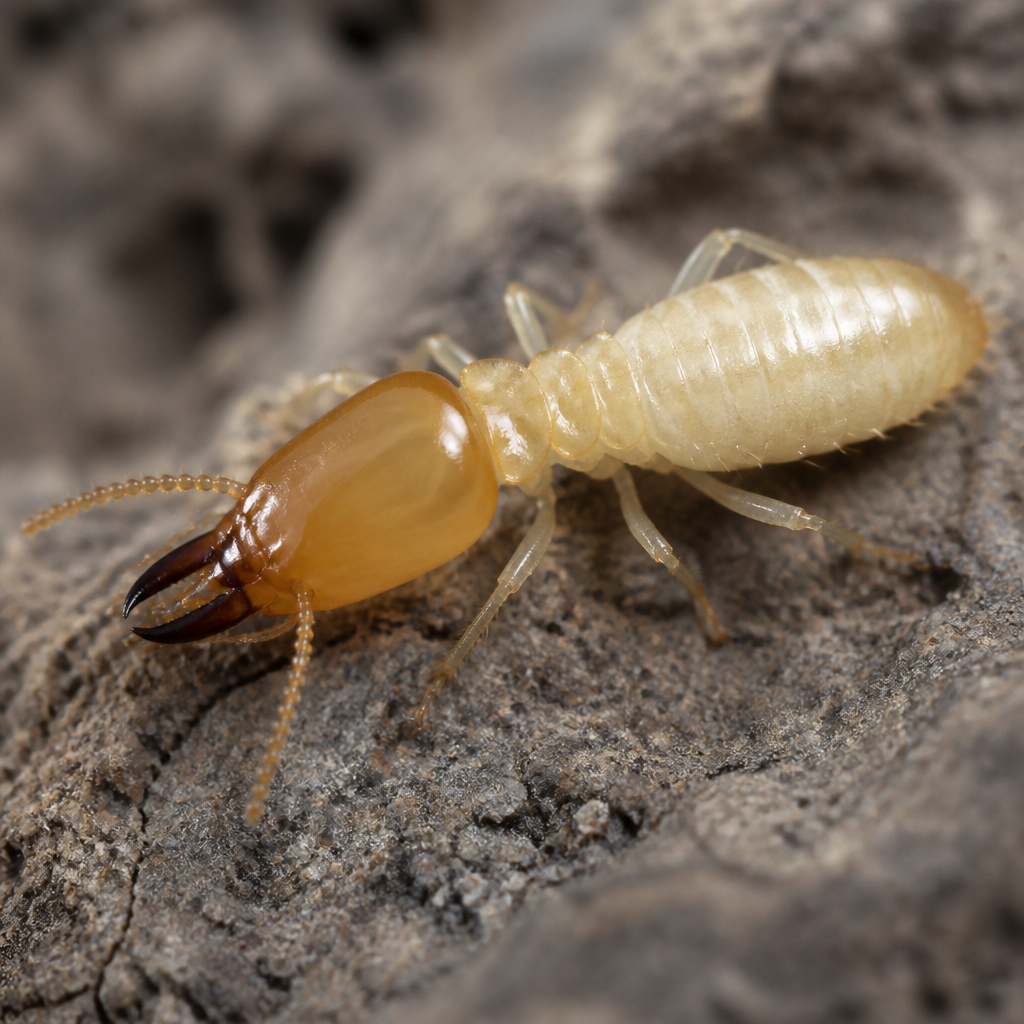
Insect
Subterranean Termite
Reticulitermes flavipes
Life cycle
Stages of development
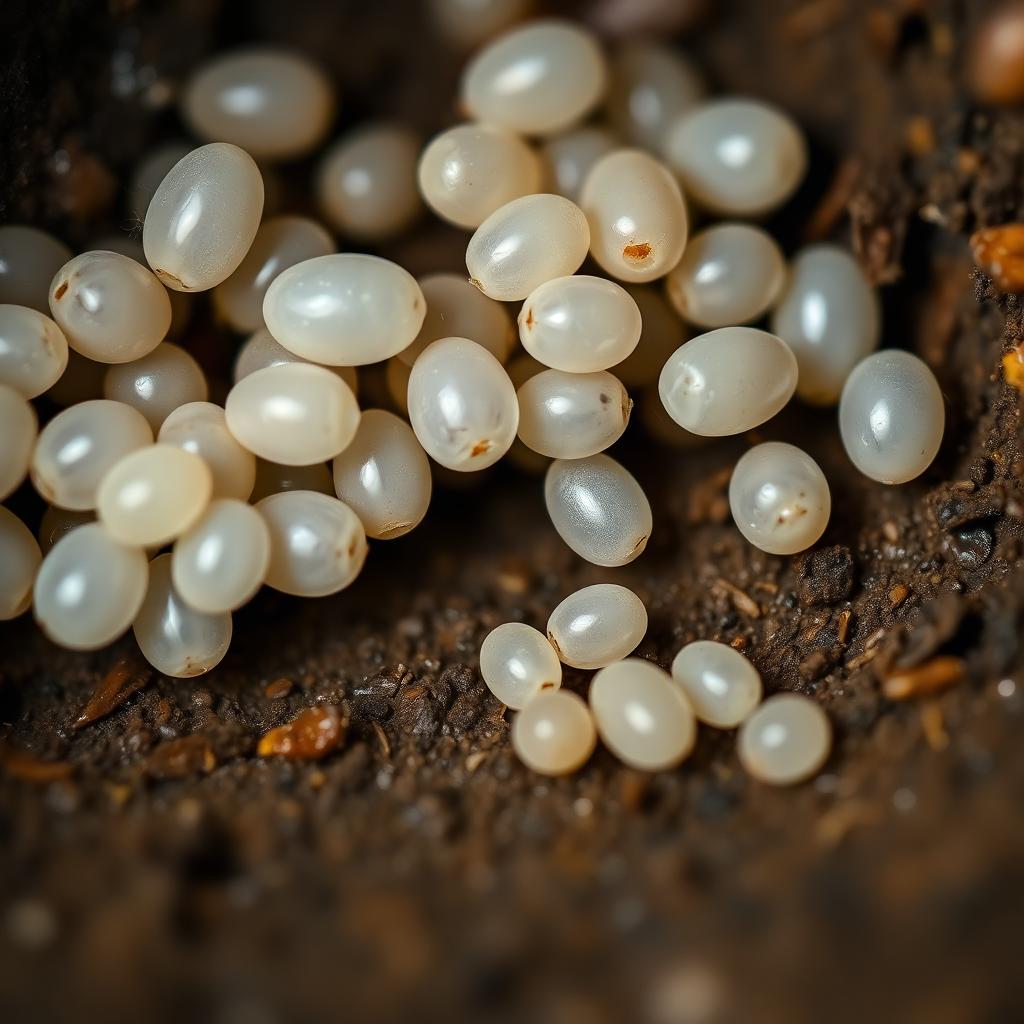
Stage 1 of 4
Eggs
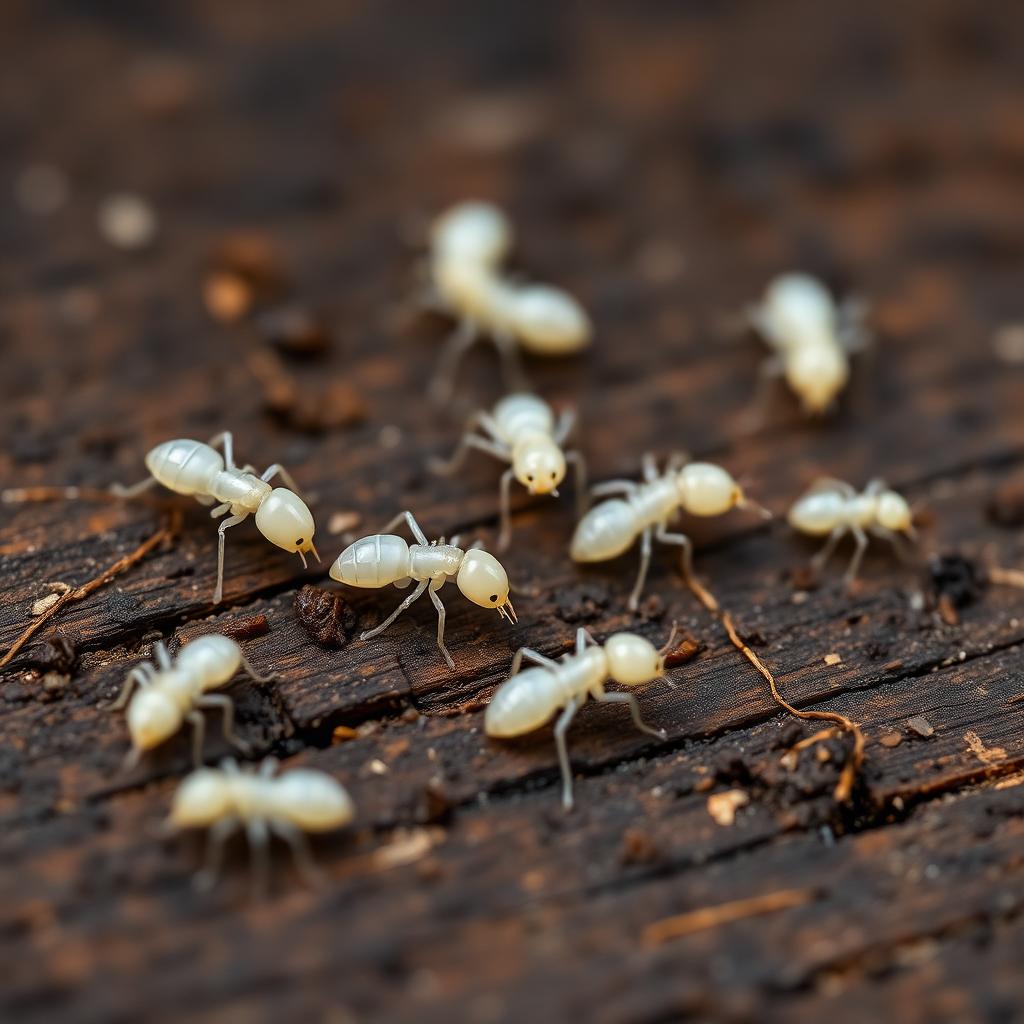
Stage 2 of 4
Nymphs
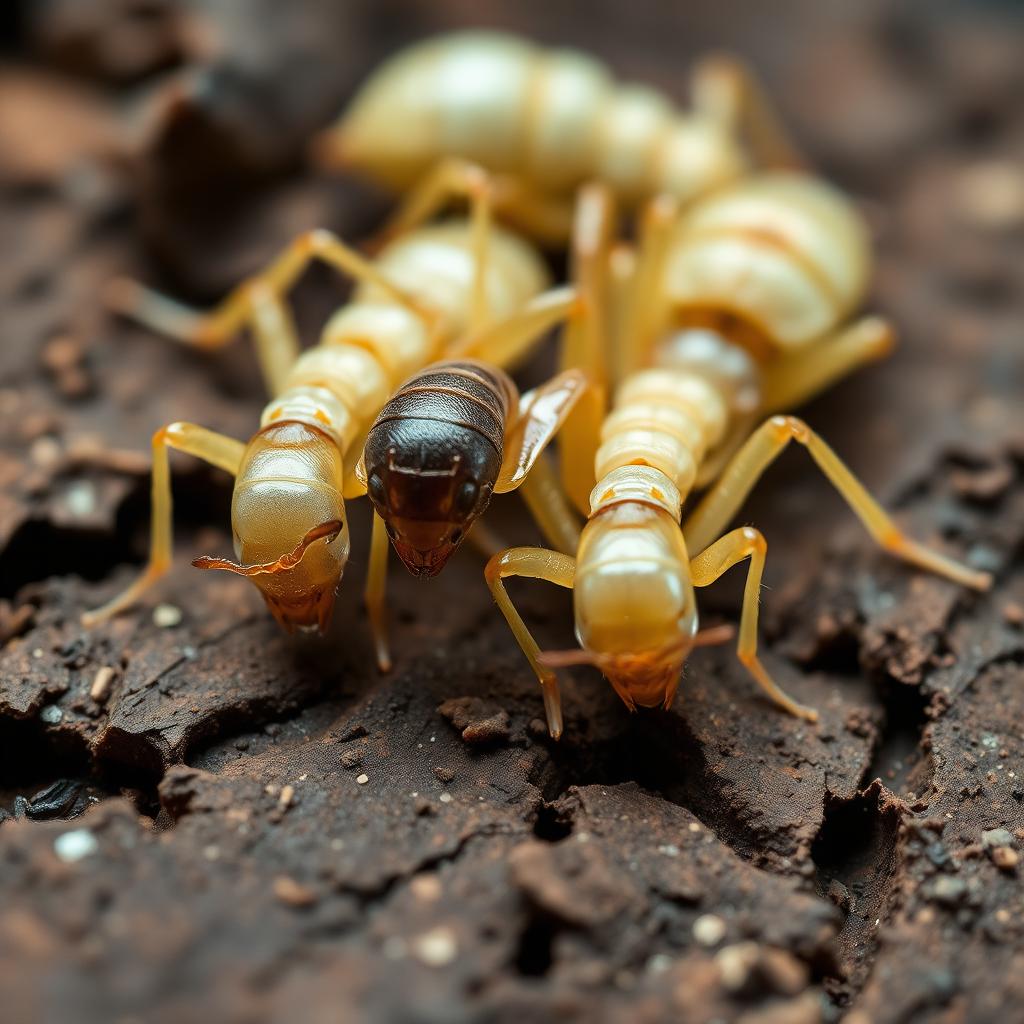
Stage 3 of 4
Workers & soldier
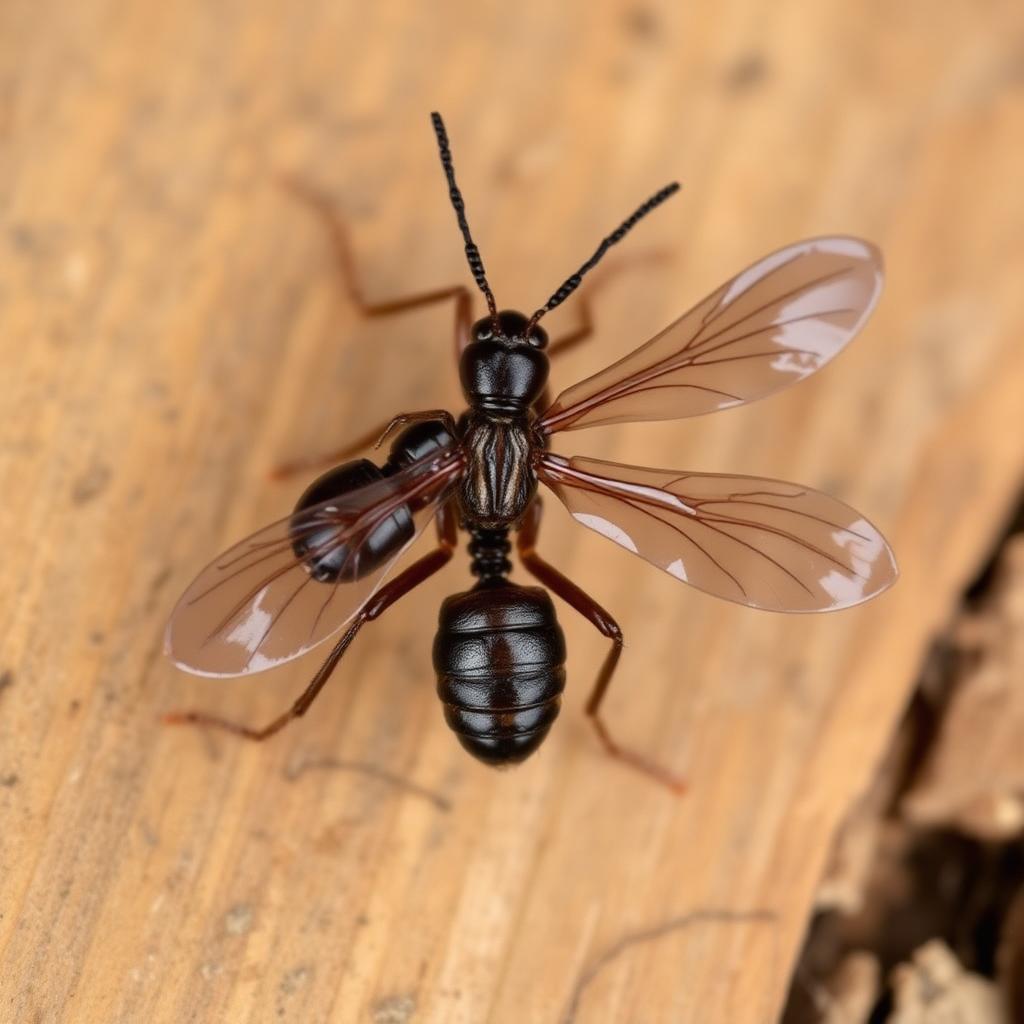
Stage 4 of 4
Swarmer (alate)
Biology
Reticulitermes flavipes, the Eastern Subterranean Termite, is a detritivorous insect belonging to the infraorder Isoptera, family Rhinotermitidae. Colonies comprise multiple castes: workers (sterile, blind, 3-5mm, off-white), soldiers (larger head, prominent mandibles, 5mm), and reproductives (primary alates: dark-bodied with two pairs of equal-sized wings, 9-11mm total length; secondary/neotenics). A colony can house 60,000 to over a million individuals, with a queen laying hundreds to thousands of eggs daily, living for 25+ years. Optimal conditions for development are 25-30°C and high humidity (above 90%), making them sensitive to desiccation.
Behaviour
R. flavipes workers exhibit continuous foraging activity, 24 hours a day, 7 days a week, avoiding light and open air exposure. They communicate through pheromones, primarily trail pheromones (e.g., n-tetradecyl propionate) to guide nest-mates to food sources and alarm pheromones (e.g., geranylacetone) to signal danger. Their cellulose-digesting symbiotic gut flagellates enable them to process wood, initiating damage often unseen within wall voids or beneath floors. Swarming events, typically occurring in spring during warm, humid conditions after rainfall, are dispersal flights of alates to establish new colonies, indicating a mature infestation nearby.
Habits
These termites primarily harbor in soil where moisture is consistently available, constructing extensive subterranean tunnel systems connecting to food sources. Foraging patterns involve random tunneling up to 60 meters from the central nest in search of wood, often creating characteristic mud tubes (shelter tubes) over non-edible surfaces (e.g., concrete foundations, pipes) to bridge gaps and maintain high humidity when accessing structures. Conducive conditions include wood-to-soil contact, consistent soil moisture around foundations, poor drainage, and existing structural vulnerabilities like cracks in concrete, which provide concealed entry points.
Control methods
- 1Liquid termiticide soil barriers (non-repellent)
- 2In-ground baiting stations with chitin inhibitors
- 3Remove wood-to-soil contact around foundation
- 4Fix moisture leaks; ventilate crawlspaces
- 5Annual professional inspection
- 6Borate-treat exposed structural wood
Tailored to Subterranean Termite
IPM Procedure Checklist
Inspection
- Inspect harborage near food, water and warmth
- Check cracks, voids and appliance interiors
- Place sticky monitors at suspected hot-spots
Identification
- Confirm Subterranean Termite (Reticulitermes flavipes) — not a look-alike
- Note life stage and risk level: Severe
- Capture clear photos and samples for the record
Action Thresholds
- Zero-tolerance: act on first confirmed sighting
- Notify client and document the trigger event
- Prioritize health and regulatory risk in the plan
Prevention
- Seal cracks, plumbing penetrations and wall voids
- Eliminate moisture sources and standing water
- Improve sanitation: sealed food storage, grease removal
Control Methods
- Liquid termiticide soil barriers (non-repellent)
- In-ground baiting stations with chitin inhibitors
- Remove wood-to-soil contact around foundation
- Fix moisture leaks; ventilate crawlspaces
Monitoring & Evaluation
- Service monitors on schedule and trend captures
- Re-inspect for Subterranean Termite activity at follow-up
- Adjust tactics based on data; report findings to client