All pests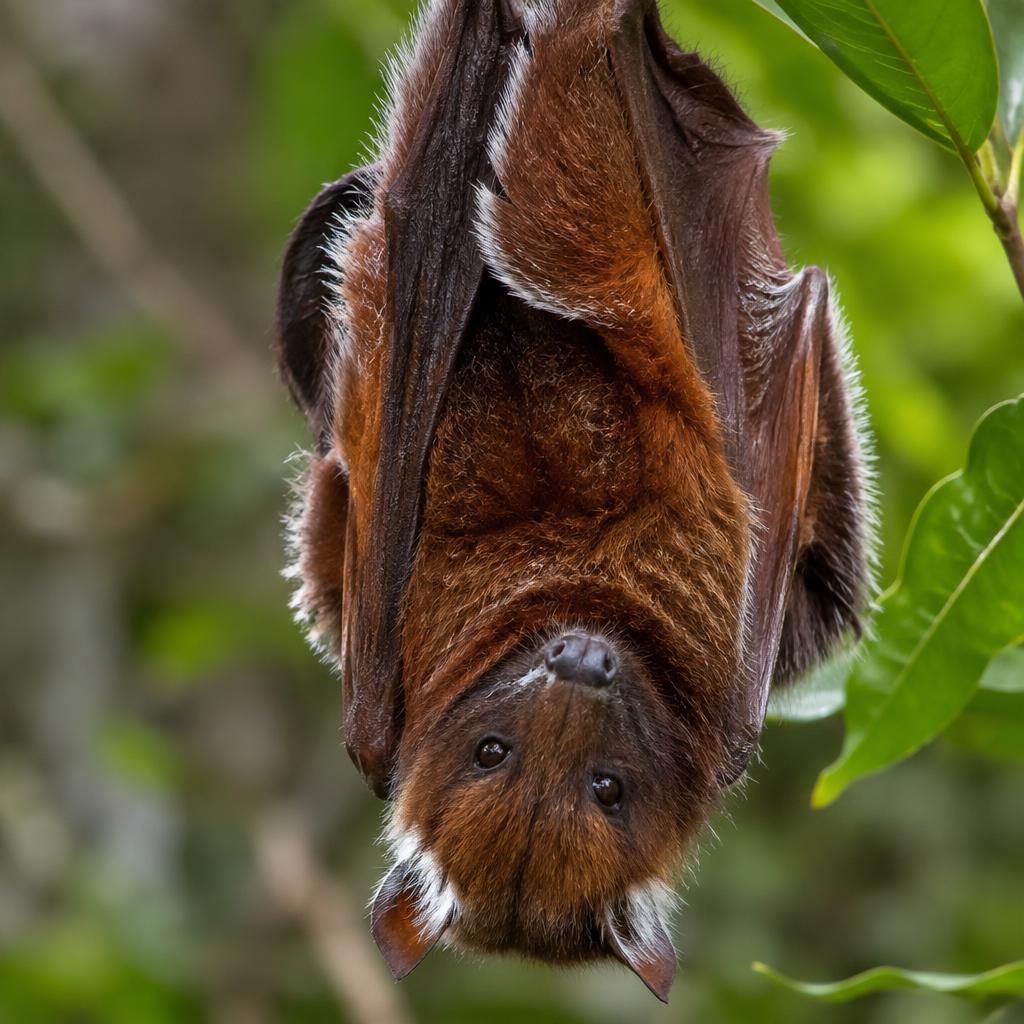 View full procedure
Bat
Seminole Bat
Lasiurus seminolus
Low Risk
Biology
Lasiurus seminolus is a small to medium tree bat of the southeastern United States, closely related to the eastern red bat. It has rich mahogany-chestnut fur with white-tipped hairs, a 28–33 cm wingspan, and 1–4 pups born in summer.
Behaviour
Seminole bats are nocturnal, solitary foliage-roosting bats that hunt insects over wetlands, forests, and suburban areas. They often roost in Spanish moss, pine needles, and broadleaf tree foliage. They are not colonial attic dwellers.
Habits
Human contact is usually limited to a single bat found in landscaping or an open garage. Like other tree bats, they may be attracted to insects around lights. They do not cause accumulations of guano in structures.
Control methods
- 1Allow accidental visitors to exit at dusk on their own
- 2Minimize bright white outdoor lighting
- 3Trim trees back from rooflines and vents
- 4Cap chimneys and seal soffit gaps
- 5Avoid handling; use thick gloves or call a rehabilitator
- 6Document the encounter if repeated sightings occur
Tailored to Seminole Bat
IPM Procedure Checklist
Step 1
Inspection
- Inspect at dusk to locate active entry/exit points
- Check attics, soffits and chimneys for guano
- Identify maternity colonies before any action
Step 2
Identification
- Confirm Seminole Bat (Lasiurus seminolus) — not a look-alike
- Note life stage and risk level: Low
- Capture clear photos and samples for the record
Step 3
Action Thresholds
- Tolerate low-level activity outside sensitive zones
- Act if activity moves indoors or near food
- Review threshold seasonally with the client
Step 4
Prevention
- Seal gaps ≥6 mm with caulk, mesh and flashing
- Cap chimneys and screen attic vents
- Provide alternative bat houses on the property
Step 5
Control Methods
- Allow accidental visitors to exit at dusk on their own
- Minimize bright white outdoor lighting
- Trim trees back from rooflines and vents
- Cap chimneys and seal soffit gaps
Step 6
Monitoring & Evaluation
- Service monitors on schedule and trend captures
- Re-inspect for Seminole Bat activity at follow-up
- Adjust tactics based on data; report findings to client