Ant
Pharaoh Ant
Monomorium pharaonis
Photo gallery
Biology
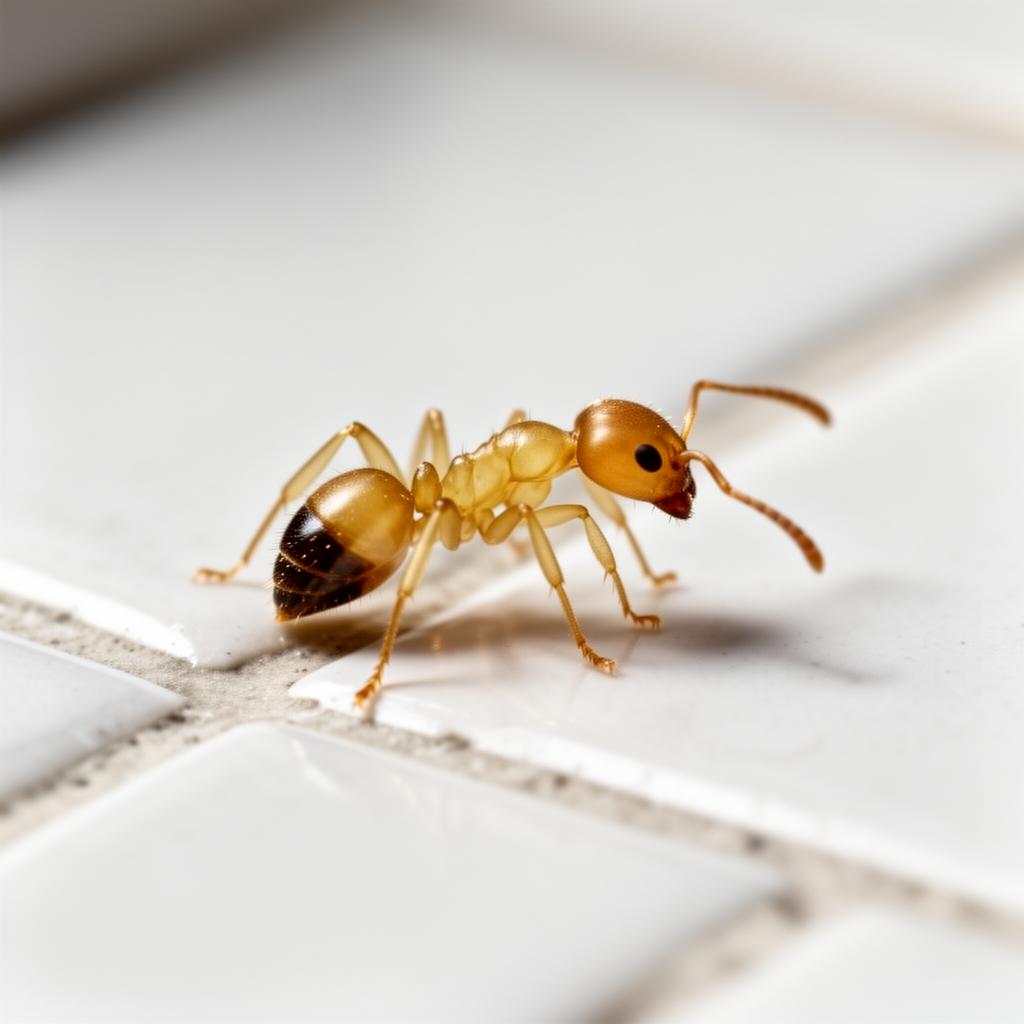
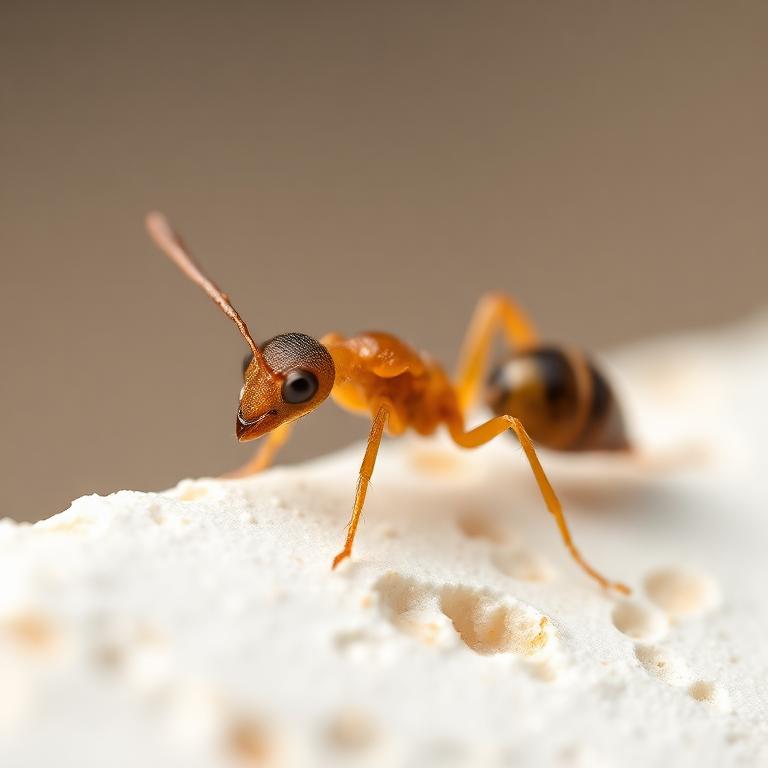
The Pharaoh ant, Monomorium pharaonis, is a holometabolous insect belonging to the family Formicidae, subfamily Myrmicinae. Workers are monomorphic, measuring 1.5–2.0 mm, and workers range from yellow to light brown with a darker abdomen. Queens are larger, 3.5–5.0 mm, typically reddish-brown. The lifecycle from egg to adult worker averages 38–45 days at 27–32°C and 80% RH. Queens can lay 10–12 eggs per day for up to 4–12 months, producing 3500+ eggs in their lifetime. Development ceases below 18°C, and they thrive year-round in structures maintained at 27–30°C and 80%+ relative humidity.
Behaviour
Pharaoh ants are polygyne and polydomous, meaning colonies have multiple queens and establish numerous interconnected satellite nests. This social structure allows for rapid colony expansion and resilience, as colonies readily bud when disturbed or chemically stressed, fragmenting into new viable units. Communication primarily occurs through trail pheromones, which are species-specific enabling coordinated foraging and relocation efforts. They exhibit opportunistic omnivory, preferring high-carbohydrate and high-protein foods, and are known to scavenge on carrion, surgical wounds, and medical waste, contributing to the mechanical transmission of various pathogens like Salmonella spp., Staphylococcus spp., and Pseudomonas aeruginosa, posing significant public health risks in sensitive environments.
Habits
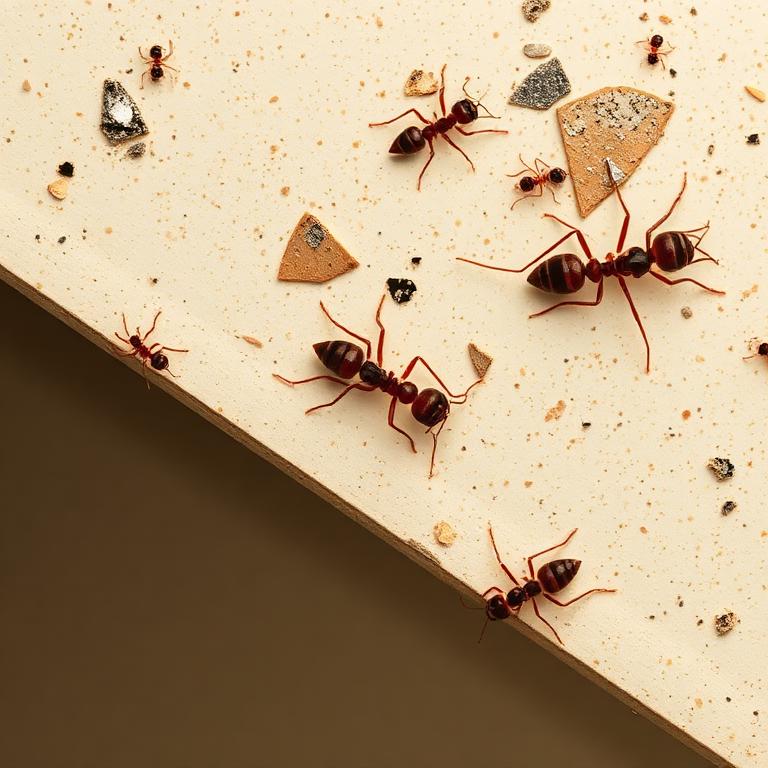
These ants are exclusively indoor pests in temperate climates, establishing harborages in warm, concealed, and humid locations near food and water sources. Typical harborage sites include wall voids, behind baseboards, inside electrical outlets, light fixtures, and plumbing chases, especially those with consistent warmth from pipes or wiring. Foraging patterns are characterized by extensive trail-following along structural elements, plumbing, and electrical conduits. Conducive conditions for rapid proliferation include poor sanitation, readily available food scraps, and consistent indoor temperatures above 25°C. Technicians should look for faint, often zigzagging trails of minute, yellowish ants, particularly around sinks, food preparation areas, and patient care zones in hospitals, as well as the presence of discarded larvae/pupae indicating active nesting sites.
Control methods
- 1Protein + sugar bait rotation (NEVER spray)
- 2Place baits at every active trail, refresh weekly
- 3Identify and treat all satellite nest sites
- 4Eliminate moisture: leaks, condensation lines
- 5Caulk wall voids and outlet penetrations
- 6Coordinated building-wide treatment program
Tailored to Pharaoh Ant
IPM Procedure Checklist
Inspection
- Follow trails to nests, food and moisture sources
- Inspect wall voids, slab edges and exterior soil
- Place non-repellent monitors at trail crossings
Identification
- Confirm Pharaoh Ant (Monomorium pharaonis) — not a look-alike
- Note life stage and risk level: High
- Capture clear photos and samples for the record
Action Thresholds
- Zero-tolerance: act on first confirmed sighting
- Notify client and document the trigger event
- Prioritize health and regulatory risk in the plan
Prevention
- Seal entry cracks, utility penetrations and weep holes
- Eliminate honeydew-producing pests on landscape plants
- Store food in sealed containers and clean spills promptly
Control Methods
- Protein + sugar bait rotation (NEVER spray)
- Place baits at every active trail, refresh weekly
- Identify and treat all satellite nest sites
- Eliminate moisture: leaks, condensation lines
Monitoring & Evaluation
- Service monitors on schedule and trend captures
- Re-inspect for Pharaoh Ant activity at follow-up
- Adjust tactics based on data; report findings to client