Bat
Little Brown Bat
Myotis lucifugus
Biology
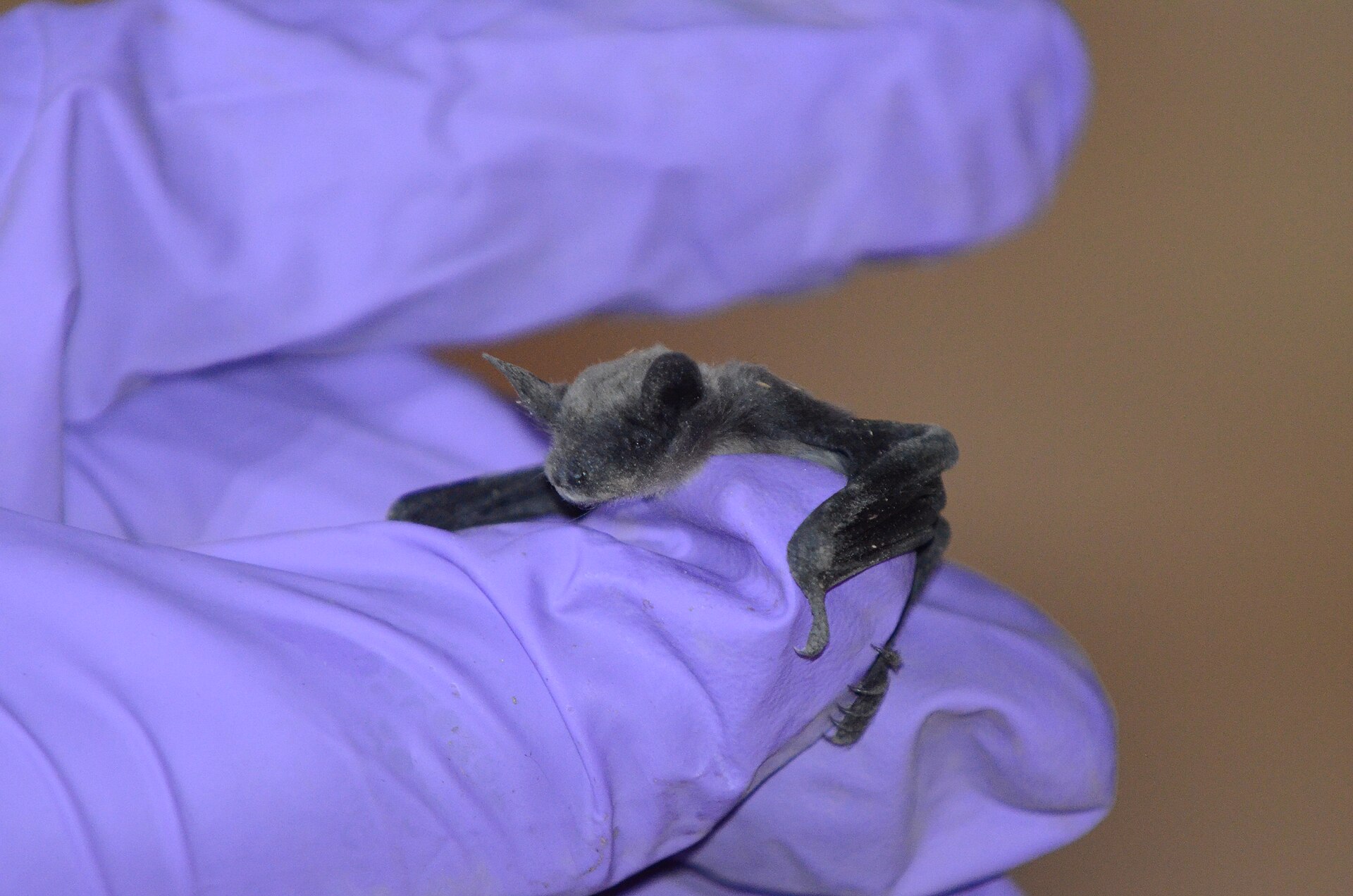
The Little Brown Bat, Myotis lucifugus, belongs to the family Vespertilionidae, the common bats. Adults measure 8–10 cm in length with a wingspan of 22–27 cm and weigh 7–14 grams, displaying fine, glossy brown fur dorsally and slightly paler ventrally. Females typically bear a single pup (rarely twins) annually after a 50–60 day gestation period, usually in late May to early July within warm maternity roosts. Pups are altricial, weaned in about three weeks, and reach adult size by two months, with individuals known to live over 30 years in protected environments. This species thrives in temperate climates, tolerating temperatures from 0–38°C during activity, but requiring stable, cool (2–8°C) and humid (>90% RH) conditions for hibernation to minimize metabolic expenditure.
Behaviour
Myotis lucifugus exhibits strict nocturnality, emerging at dusk to forage for aerial insects, relying heavily on echolocation for navigation and prey capture, emitting ultrasonic pulses (45–120 kHz). While not truly social in the complex sense, they form large aggregations of hundreds to thousands, particularly maternity colonies, to conserve warmth and facilitate pup rearing. Dispersal between summer and winter roosts can span hundreds of kilometers, guided by unknown migratory cues. Their public health impact stems primarily from potential rabies transmission (though rare, ~0.5% prevalence) and histoplasmosis risk from guano, rather than aggressive tendencies, as bites typically occur only in self-defense when handled. Their ecological role as insectivores significantly reduces pest insect populations.
Habits
These bats are opportunistic crevice-dwellers, favoring warm, dark, and often elevated harborage sites such as attics, soffits, wall voids, and barn rafters during the active season. Foraging flights, often lasting several hours nightly, can cover distances of 1–5 km from their roost, typically over water sources or forest edges where insect populations are dense. Conducive structural conditions include unsealed construction gaps (as small as 1.5 x 3 cm for entry and exit), damaged screens, and uncapped chimneys. Pest management technicians should look for smudge marks around entry points, accumulation of guano pellets (dark, crumbly, and distinct from rodent droppings), and the audible squeaking/scratching within voids, particularly at dusk when bats emerge.
Control methods
- 1Inspect at dusk to locate active entry/exit points
- 2Install one-way exclusion devices outside maternity season
- 3Seal all gaps ≥6 mm with caulk, mesh and flashing
- 4Remove and decontaminate guano with PPE and HEPA
- 5Never trap or handle bats — use licensed wildlife pros
- 6Provide alternative bat houses to support populations
Tailored to Little Brown Bat
IPM Procedure Checklist
Inspection
- Inspect at dusk to locate active entry/exit points
- Check attics, soffits and chimneys for guano
- Identify maternity colonies before any action
Identification
- Confirm Little Brown Bat (Myotis lucifugus) — not a look-alike
- Note life stage and risk level: High
- Capture clear photos and samples for the record
Action Thresholds
- Zero-tolerance: act on first confirmed sighting
- Notify client and document the trigger event
- Prioritize health and regulatory risk in the plan
Prevention
- Seal gaps ≥6 mm with caulk, mesh and flashing
- Cap chimneys and screen attic vents
- Provide alternative bat houses on the property
Control Methods
- Inspect at dusk to locate active entry/exit points
- Install one-way exclusion devices outside maternity season
- Seal all gaps ≥6 mm with caulk, mesh and flashing
- Remove and decontaminate guano with PPE and HEPA
Monitoring & Evaluation
- Service monitors on schedule and trend captures
- Re-inspect for Little Brown Bat activity at follow-up
- Adjust tactics based on data; report findings to client