Ant
Hypoponera Ant
Hypoponera punctatissima
Biology
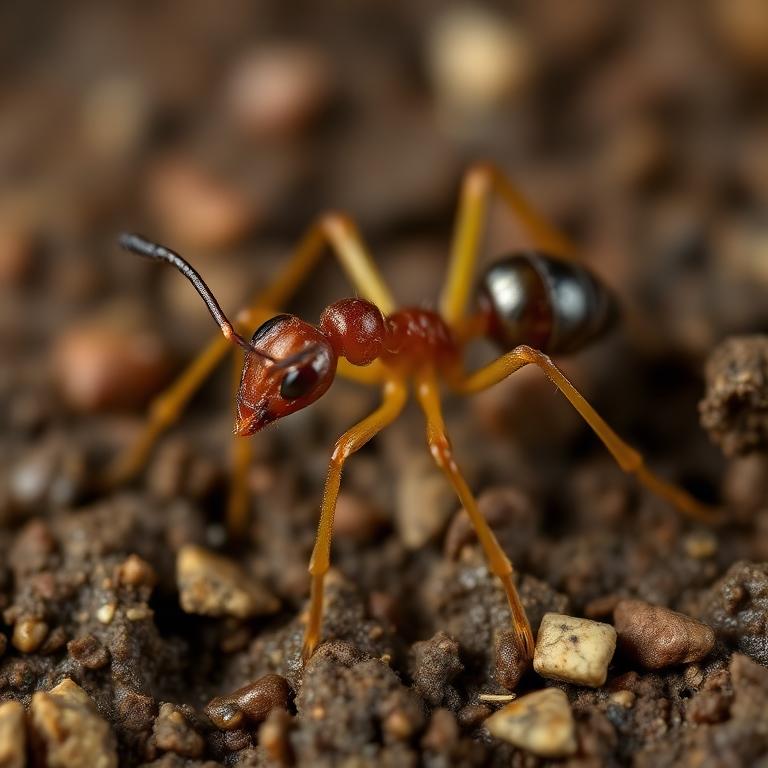
Hypoponera punctatissima — sometimes called the roger's ant or drain ant — is a very small, slender ponerine ant 2–3 mm long, dull yellowish to dark brown, with tiny eyes, a single-node waist, and a sting. Colonies are small, cryptic, and often contain wingless ergatoid males; reproduction can occur entirely within the nest, so populations persist in heated buildings year-round. Winged females are produced in warm humid conditions and are frequently the first sign of an infestation when they appear in numbers indoors.
Behaviour
Workers are slow, subterranean, and rarely seen foraging in the open; they hunt springtails, mites and other tiny soil arthropods in damp organic material. They sting when trapped against skin — typically under clothing or bedding after alates fly in — producing a sharp prickling and small itchy welts that are often misdiagnosed as bed bug or flea bites. This misidentification is the main reason the species matters to technicians: the correct diagnosis redirects the whole treatment.
Habits
Harborage is consistently wet and organic: sewage and drain lines, greenhouse benches, potted plant soil, compost, sub-slab voids, boiler rooms, leaking plumbing chases, and damp crawl spaces. Heated buildings and greenhouses allow year-round activity in temperate regions. Conducive conditions are plumbing leaks, condensation, poor drainage under slabs, and accumulated organic sludge. Inspect drains and sub-slab moisture, place monitors near suspected sources, and collect specimens — accurate identification is essential given how closely the bites mimic other biting pests.
Control methods
- 1Identify specimens correctly — bites are often mistaken for bed bugs
- 2Find and repair plumbing leaks, drain faults and condensation sources
- 3Clean organic sludge from drains and floor gullies
- 4Dry out sub-slab voids, crawl spaces and greenhouse benches
- 5Treat damp harborage voids with a labelled dust or targeted residual
- 6Monitor with sticky traps to confirm the source before broad treatment
Tailored to Hypoponera Ant
IPM Procedure Checklist
Inspection
- Follow trails to nests, food and moisture sources
- Inspect wall voids, slab edges and exterior soil
- Place non-repellent monitors at trail crossings
Identification
- Confirm Hypoponera Ant (Hypoponera punctatissima) — not a look-alike
- Note life stage and risk level: Moderate
- Capture clear photos and samples for the record
Action Thresholds
- Trigger action when monitor counts trend up
- Re-evaluate weekly during active season
- Document trigger criteria in the IPM plan
Prevention
- Seal entry cracks, utility penetrations and weep holes
- Eliminate honeydew-producing pests on landscape plants
- Store food in sealed containers and clean spills promptly
Control Methods
- Identify specimens correctly — bites are often mistaken for bed bugs
- Find and repair plumbing leaks, drain faults and condensation sources
- Clean organic sludge from drains and floor gullies
- Dry out sub-slab voids, crawl spaces and greenhouse benches
Monitoring & Evaluation
- Service monitors on schedule and trend captures
- Re-inspect for Hypoponera Ant activity at follow-up
- Adjust tactics based on data; report findings to client