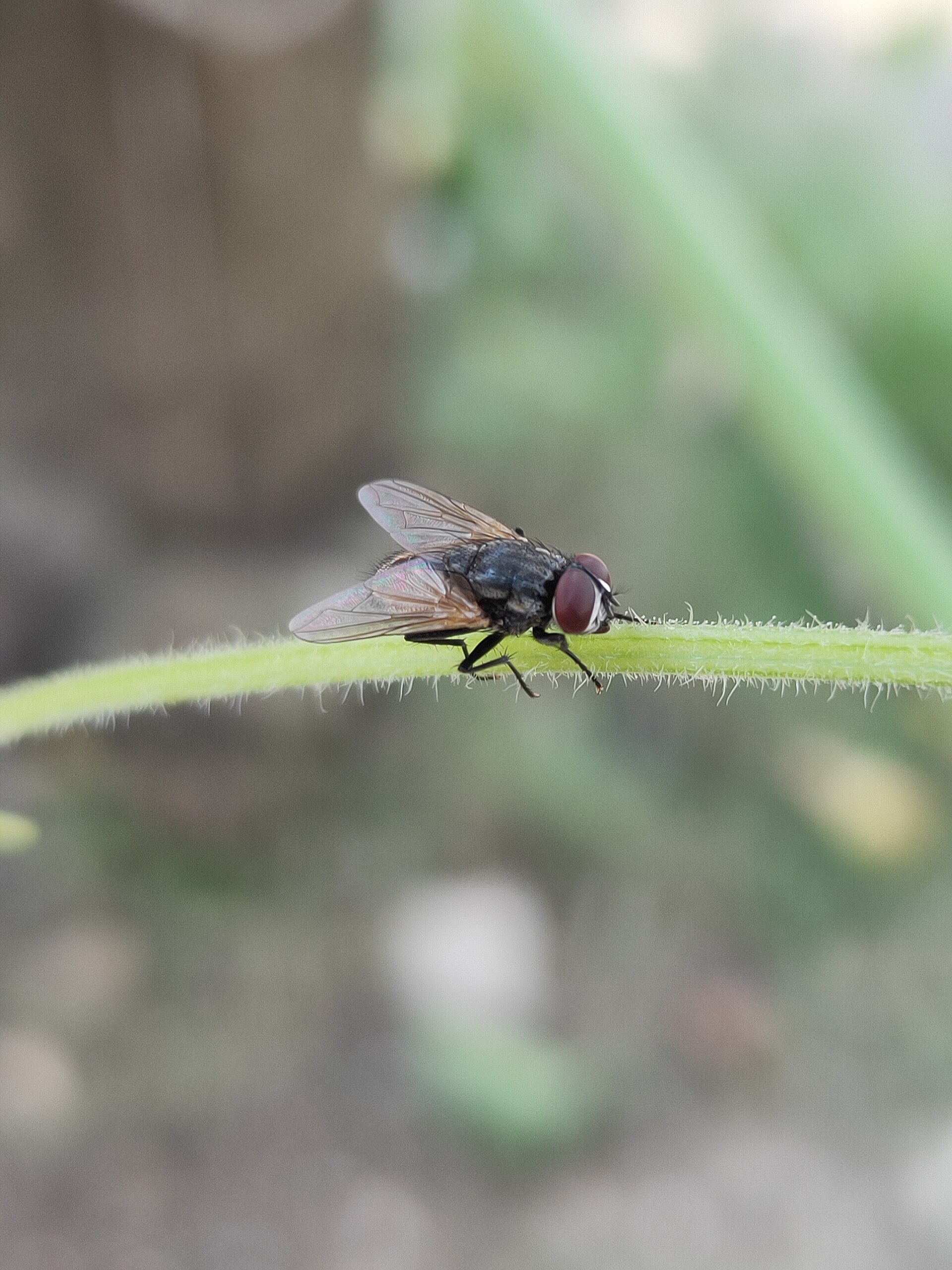
Fly
House Fly
Musca domestica
Life cycle
Stages of development
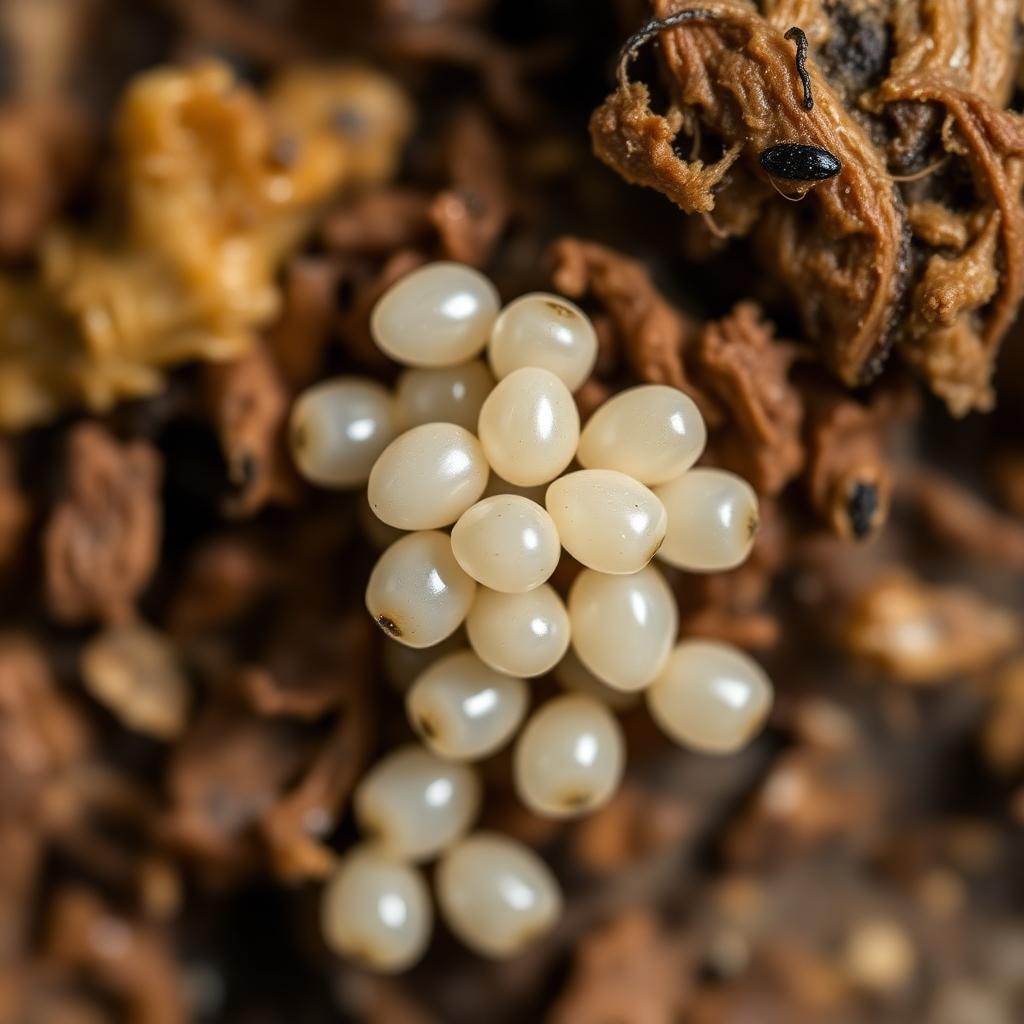
Stage 1 of 4
Egg
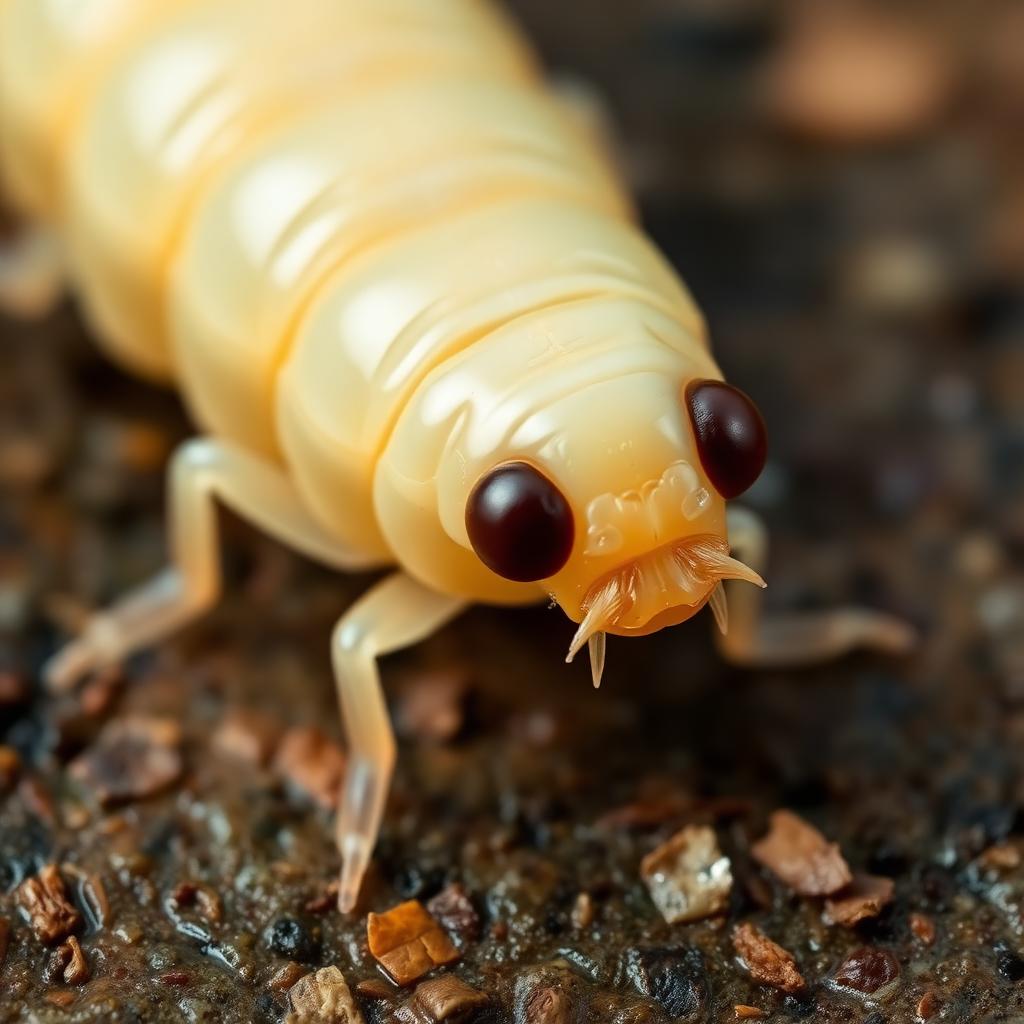
Stage 2 of 4
Larva (maggot)
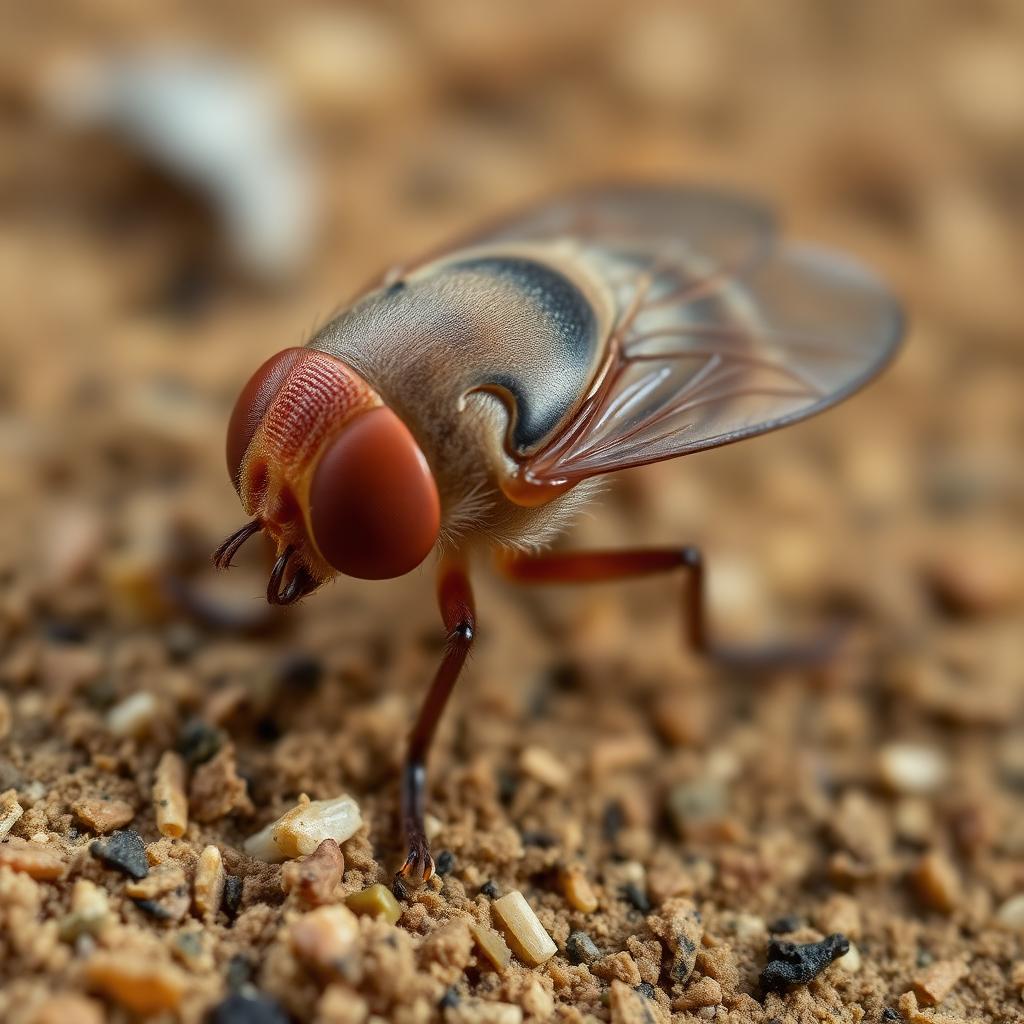
Stage 3 of 4
Pupa (puparium)
Stage 4 of 4
Adult
Biology
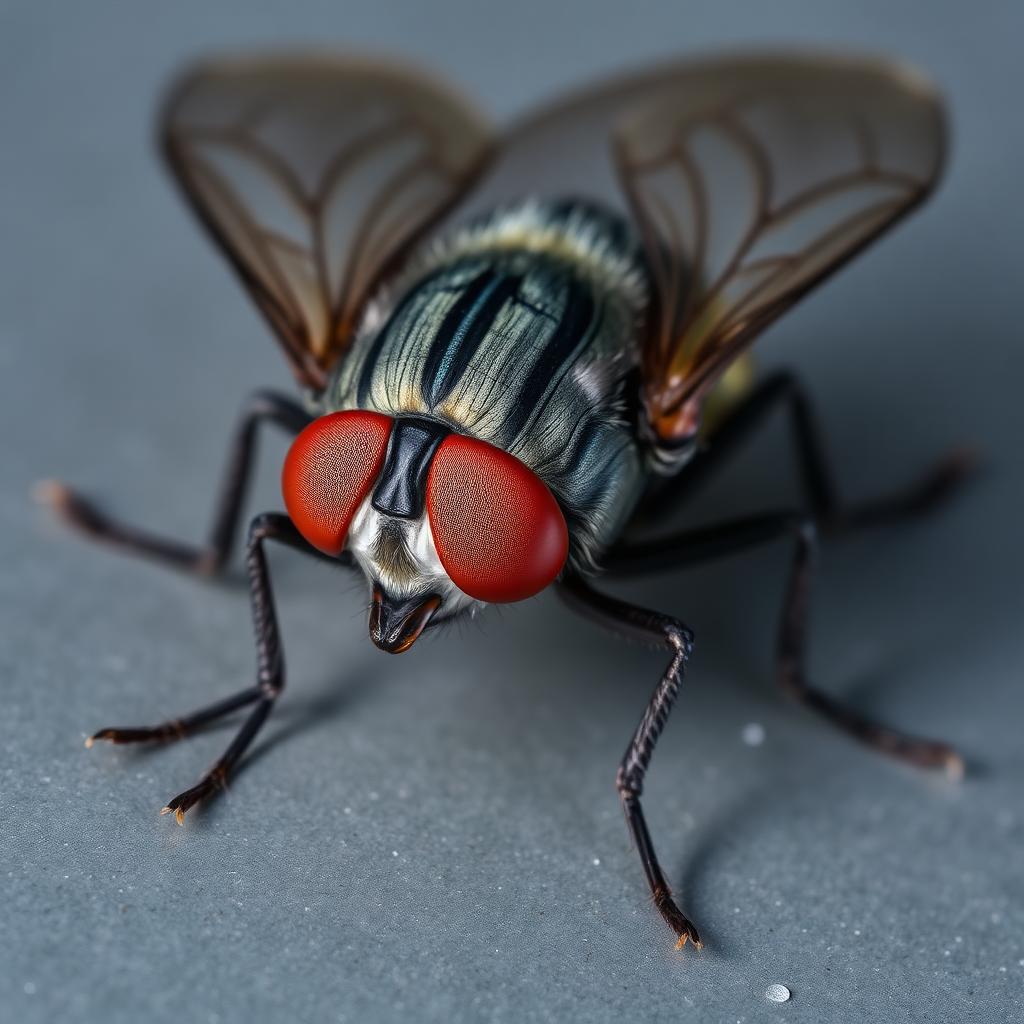
The common house fly, *Musca domestica*, belongs to the order Diptera, family Muscidae, and can be distinguished by specific morphological features beyond its 4-7 mm size: a grey thorax with four distinct longitudinal dark stripes, reddish-brown compound eyes, and mouthparts adapted for sponging. Its holometabolous life cycle – egg, larva (maggot), pupa, and adult – can be completed in as little as 6-10 days under ideal conditions (30-35°C, high humidity), though typically 14-21 days. Females, after mating within 24 hours of emergence, begin ovipositing 7-10 days later, depositing batches of 75-150 pearly-white, 1.2 mm eggs, capable of laying up to 500-900 eggs over her 15-30 day adult lifespan.
Behaviour
House flies exhibit strong diurnal activity patterns, actively foraging and breeding during daylight hours, and resting at night, often on ceilings, walls, wires, or vegetation. Their highly social nature is evident in larval aggregations for optimal feeding and pupation, and adult swarm formation, especially in breeding areas. Dispersal can be significant, with individuals capable of flying several kilometers – up to 8-10 km, although usually within 1-2 km of their breeding site – contributing to rapid infestation of new areas. Communication involves visual cues and possibly short-range chemical signals, but primarily feeding ecology defines their public health impact, as they mechanically vector over 100 pathogens through external body contact, regurgitation, and defecation.
Habits
House flies primarily harbor in decaying organic matter during their larval stage, showing a strong preference for animal manure (especially poultry and pig), decaying plant material, and improperly managed garbage or compost piles. Adult flies are typically found congregating near these breeding sites and food sources, exhibiting a foraging range of usually a few hundred meters, though they can be wind-dispersed farther. Signs of infestation include visible adult flies, often resting in corners, walls, or windows during the day, 'fecal spots' (vomit and excrement) on surfaces where they rest or feed, and the presence of larvae (maggots) in moist, decomposing organic substrates, indicating active breeding. Conducive conditions include poor sanitation, exposed food waste, and proximity to livestock operations.
Control methods
- 1Remove breeding sites — garbage, manure, drains, spills
- 2Tight-fit lids on bins; clean dumpster pads weekly
- 3Install screens, air curtains and self-closing doors
- 4Deploy UV light traps away from food prep areas
- 5Use fly bait stations in service corridors and dumpsters
- 6Apply residual surface treatment to fly resting sites
Tailored to House Fly
IPM Procedure Checklist
Inspection
- Locate breeding sites: drains, decaying matter, moist organics
- Use tape-over-drain tests and UV/light traps to confirm
- Map dumpster, grease and floor-drain hot-spots
Identification
- Confirm House Fly (Musca domestica) — not a look-alike
- Note life stage and risk level: High
- Capture clear photos and samples for the record
Action Thresholds
- Zero-tolerance: act on first confirmed sighting
- Notify client and document the trigger event
- Prioritize health and regulatory risk in the plan
Prevention
- Clean drains with enzymatic foam to remove biofilm
- Manage trash, recycling and grease daily
- Screen windows, doors and air curtains at entries
Control Methods
- Remove breeding sites — garbage, manure, drains, spills
- Tight-fit lids on bins; clean dumpster pads weekly
- Install screens, air curtains and self-closing doors
- Deploy UV light traps away from food prep areas
Monitoring & Evaluation
- Service monitors on schedule and trend captures
- Re-inspect for House Fly activity at follow-up
- Adjust tactics based on data; report findings to client