Ant
Ghost Ant
Tapinoma melanocephalum
Photo gallery
Biology
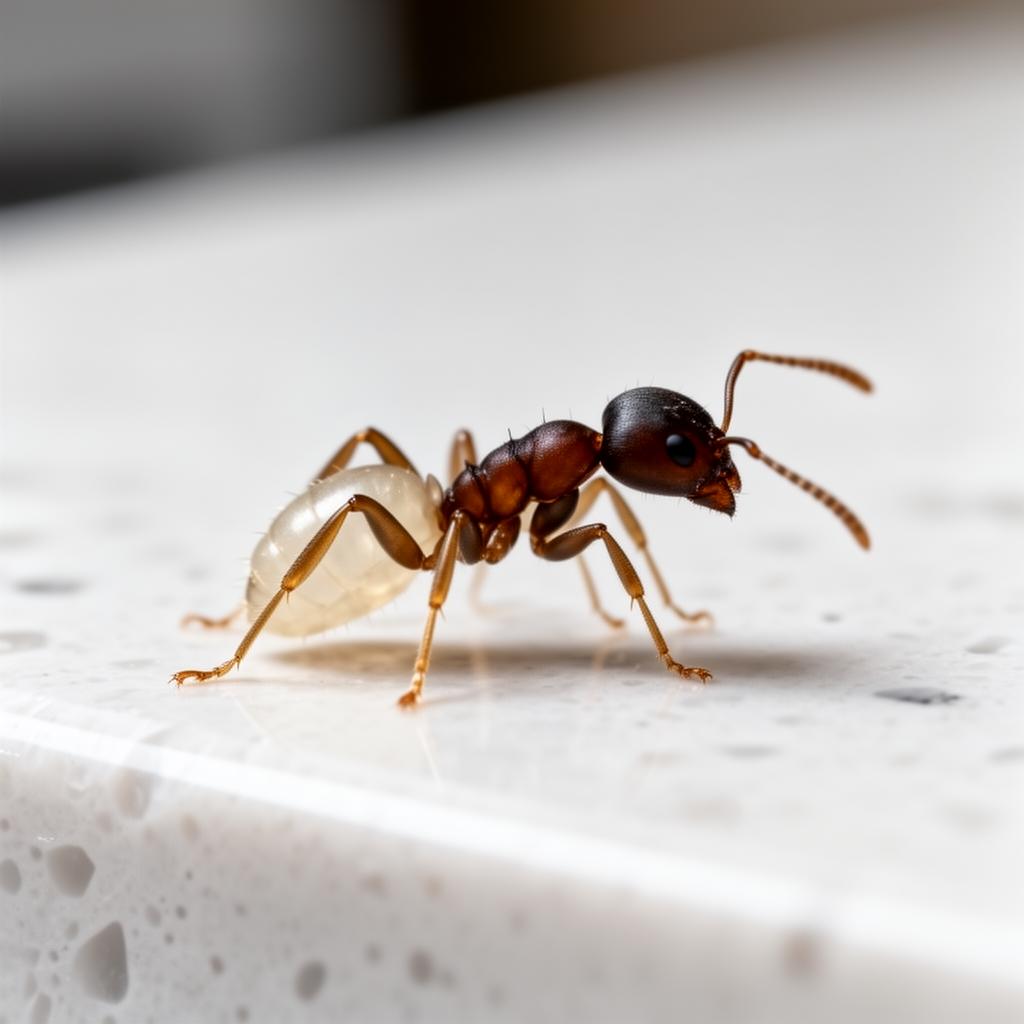
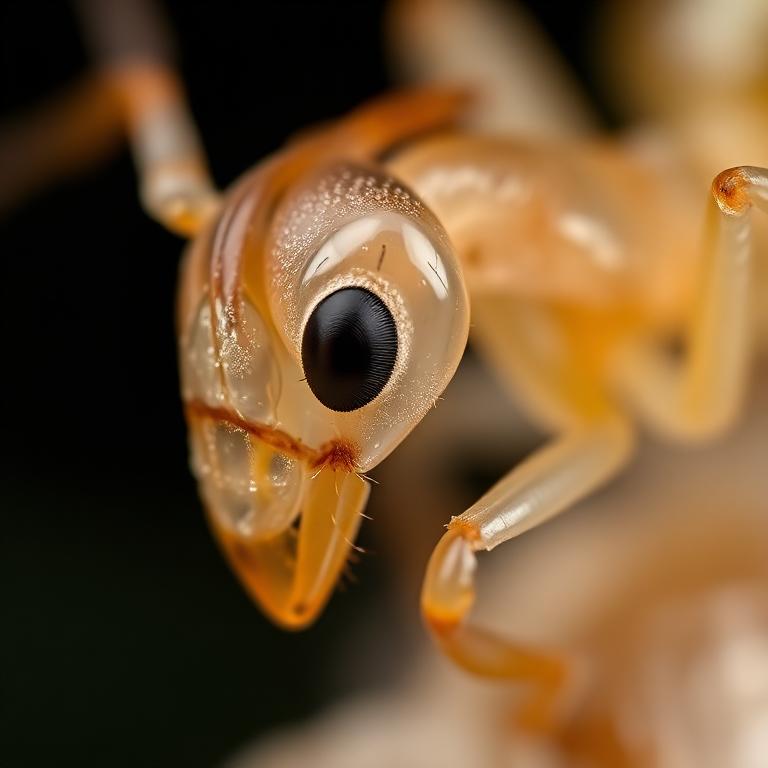
The ghost ant, Tapinoma melanocephalum, belongs to the Dolichoderinae subfamily. These minute ants measure approximately 1.3-1.5 mm, characterized by a dark brown to black head and mesosoma contrasting sharply with a pale, almost translucent gaster and legs, making them difficult to spot. Colonies are highly polygynous, containing numerous queens that readily initiate new satellite nests through budding. A queen can produce eggs continuously, with the egg-to-adult development time averaging 15-20 days under optimal conditions of 27-30°C and 80-90% relative humidity. Worker longevity is typically 2-3 months, while queens can live for several years, ensuring sustained colony growth and resilience.
Behaviour
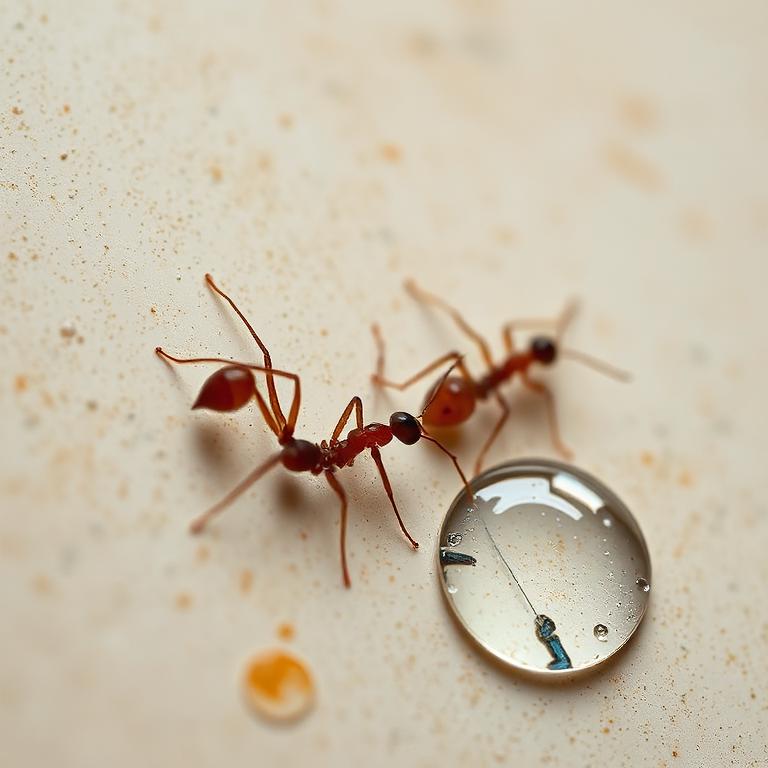
Ghost ants exhibit a predominantly nocturnal foraging rhythm, although some daytime activity is observed, particularly indoors. Their social structure is highly advanced, with multi-queened colonies fostering complex trail-following behaviors, guided by sophisticated trail-marking pheromone communication. They are omnivorous but show a strong preference for sugary substances, attracting them to honeydew-producing insects outdoors and sweet spills indoors. Dispersal primarily occurs through budding, where a subset of queens, workers, and brood detach to establish new nests, often triggered by environmental disturbances or resource scarcity. While not aggressive, their presence in sensitive environments like hospitals poses a significant public health risk due to mechanical pathogen transmission.
Habits
Ghost ants are opportunistic nesters, favoring warm, moist environments. Indoors, prime harborage sites include wall voids, behind baseboards, under loose flooring, in potted plants, and within appliances, often near plumbing or moisture sources. Outdoors, they proliferate in leaf litter, under bark, in rotting wood, and within structural cavities of buildings. Foraging patterns are diffuse, with workers establishing inconspicuous trails along utility lines, baseboards, and countertop edges, extending considerable distances from the nest. Infestations are often exacerbated by high humidity, access to free water, and readily available food sources, leading to a persistent and difficult-to-manage presence if conducive conditions are not mitigated.
Control methods
- 1Identify trails and follow to nest entry points
- 2Use sweet-based liquid or gel baits — avoid sprays on trails
- 3Eliminate moisture sources and fix leaks
- 4Keep food sealed and wipe sugary residues immediately
- 5Trim vegetation away from structure to break bridges
- 6Apply non-repellent perimeter treatment for budding colonies
Tailored to Ghost Ant
IPM Procedure Checklist
Inspection
- Follow trails to nests, food and moisture sources
- Inspect wall voids, slab edges and exterior soil
- Place non-repellent monitors at trail crossings
Identification
- Confirm Ghost Ant (Tapinoma melanocephalum) — not a look-alike
- Note life stage and risk level: Moderate
- Capture clear photos and samples for the record
Action Thresholds
- Trigger action when monitor counts trend up
- Re-evaluate weekly during active season
- Document trigger criteria in the IPM plan
Prevention
- Seal entry cracks, utility penetrations and weep holes
- Eliminate honeydew-producing pests on landscape plants
- Store food in sealed containers and clean spills promptly
Control Methods
- Identify trails and follow to nest entry points
- Use sweet-based liquid or gel baits — avoid sprays on trails
- Eliminate moisture sources and fix leaks
- Keep food sealed and wipe sugary residues immediately
Monitoring & Evaluation
- Service monitors on schedule and trend captures
- Re-inspect for Ghost Ant activity at follow-up
- Adjust tactics based on data; report findings to client