Ant
Red Imported Fire Ant
Solenopsis invicta
Photo gallery
Biology
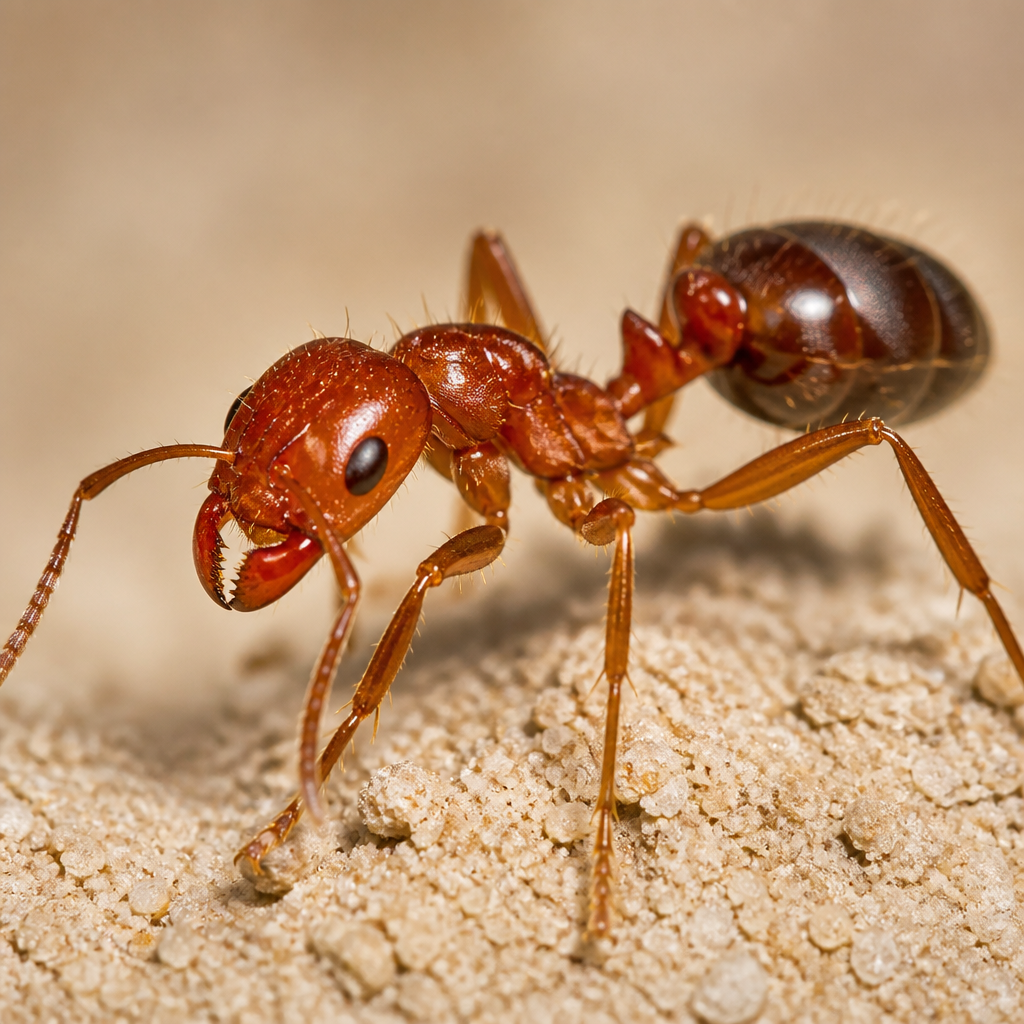
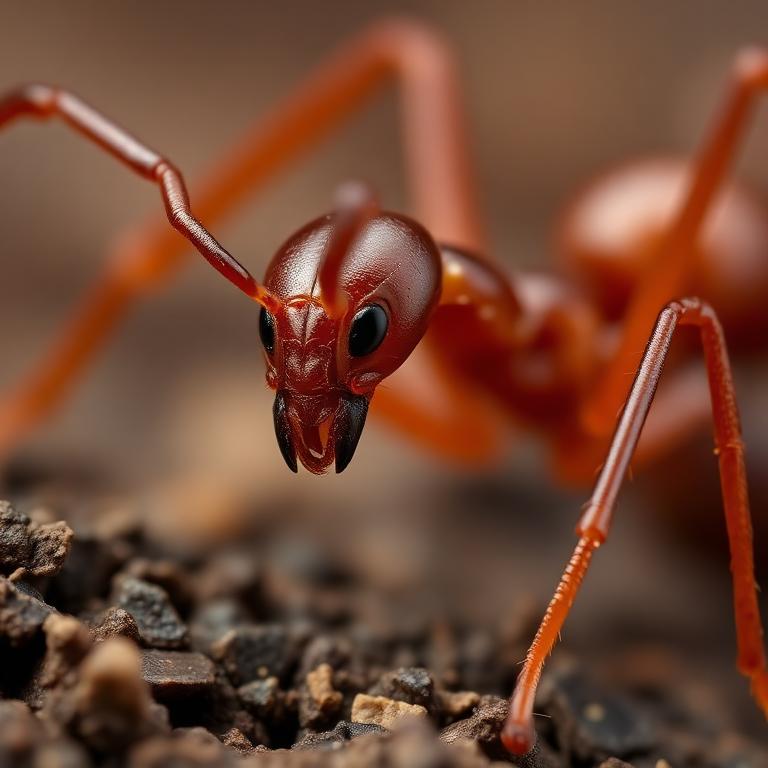
The Red Imported Fire Ant, Solenopsis invicta, belongs to the family Formicidae and subfamily Myrmicinae, distinguished by a two-segmented petiole. Workers exhibit polymorphism, ranging from 2–6 mm in length, with a coppery-brown head and thorax and a darker abdomen; the petiole has two nodes. Their lifecycle involves egg, larval, pupal, and adult stages; eggs hatch in 7–10 days, larval development takes 6–10 days, and pupation 9–16 days, influenced by temperature. Colonies, maturing within one year, can contain 100,000 to 500,000 workers and multiple queens (polygyne forms), with queens living 2–6 years and workers 30–60 days. Optimal colony growth occurs at 24–35°C, with high humidity being favorable for subterranean nest architecture.
Behaviour
Solenopsis invicta exhibits a highly aggressive and coordinated defensive behavior, especially when nests are disturbed, with thousands of workers swarming and stinging simultaneously. This species is primarily diurnal, actively foraging during daylight hours, though some nocturnal activity can occur in warmer conditions. Communication within the colony is primarily through chemical pheromones, guiding foraging trails and coordinating alarm responses. Their feeding ecology is omnivorous, consuming a wide range of proteins (insects, small vertebrates) and sugars (honeydew, plant exudates), which contributes to their agricultural pest status. Structurally, their nesting activities can undermine foundations and roadbeds, and their foraging for warmth often leads them into electrical boxes, causing short circuits and power outages.
Habits
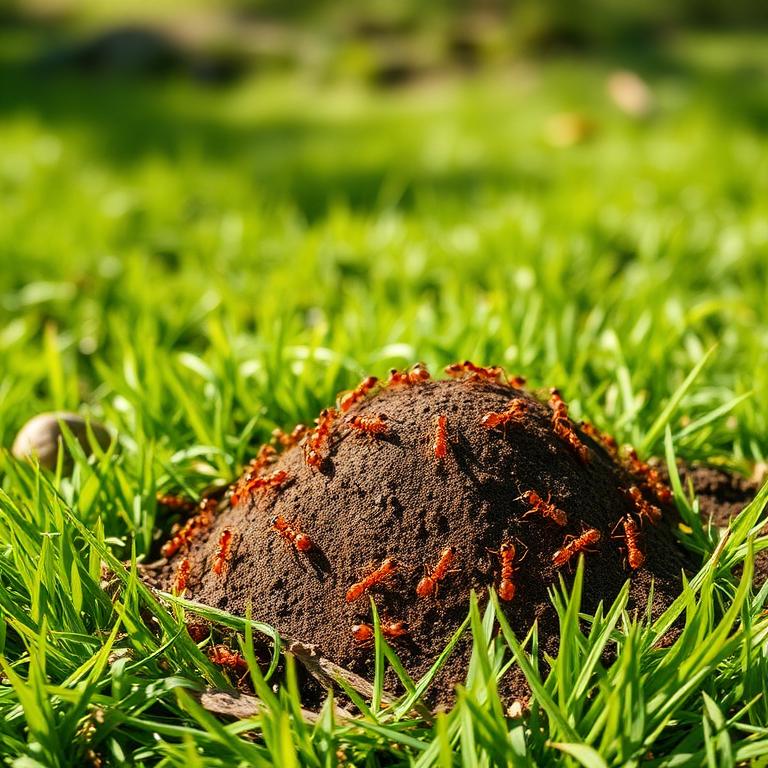
Red Imported Fire Ants construct characteristic dome-shaped mound nests, typically 10–45 cm tall, lacking a central opening; entrances are instead through subterranean tunnels. Their foraging patterns are extensive, with workers traveling up to 30 meters from the nest in intricate foraging tunnels. They prefer open, sunny areas like pastures, lawns, and disturbed soils, but will readily infest indoor environments seeking food, water, or shelter, especially during extreme weather. Conducive conditions for infestation include newly disturbed soil, availability of moisture, and abundant food sources. Technicians should look for irregularly shaped mounds, widespread foraging trails, and evidence of stinging incidents, particularly around electrical utilities, to identify active infestations.
Control methods
- 1Two-step: broadcast bait + individual mound treatment
- 2Bait when ants actively forage (21–32°C, dry soil)
- 3Hot-water drench for organic-sensitive sites
- 4Granular contact insecticide on mound and 1 m halo
- 5Quarterly perimeter treatments in endemic areas
- 6Avoid disturbing mounds without PPE
Tailored to Red Imported Fire Ant
IPM Procedure Checklist
Inspection
- Follow trails to nests, food and moisture sources
- Inspect wall voids, slab edges and exterior soil
- Place non-repellent monitors at trail crossings
Identification
- Confirm Red Imported Fire Ant (Solenopsis invicta) — not a look-alike
- Note life stage and risk level: Severe
- Capture clear photos and samples for the record
Action Thresholds
- Zero-tolerance: act on first confirmed sighting
- Notify client and document the trigger event
- Prioritize health and regulatory risk in the plan
Prevention
- Seal entry cracks, utility penetrations and weep holes
- Eliminate honeydew-producing pests on landscape plants
- Store food in sealed containers and clean spills promptly
Control Methods
- Two-step: broadcast bait + individual mound treatment
- Bait when ants actively forage (21–32°C, dry soil)
- Hot-water drench for organic-sensitive sites
- Granular contact insecticide on mound and 1 m halo
Monitoring & Evaluation
- Service monitors on schedule and trend captures
- Re-inspect for Red Imported Fire Ant activity at follow-up
- Adjust tactics based on data; report findings to client