Ant
Field Ant
Formica subsericea
Photo gallery
Biology
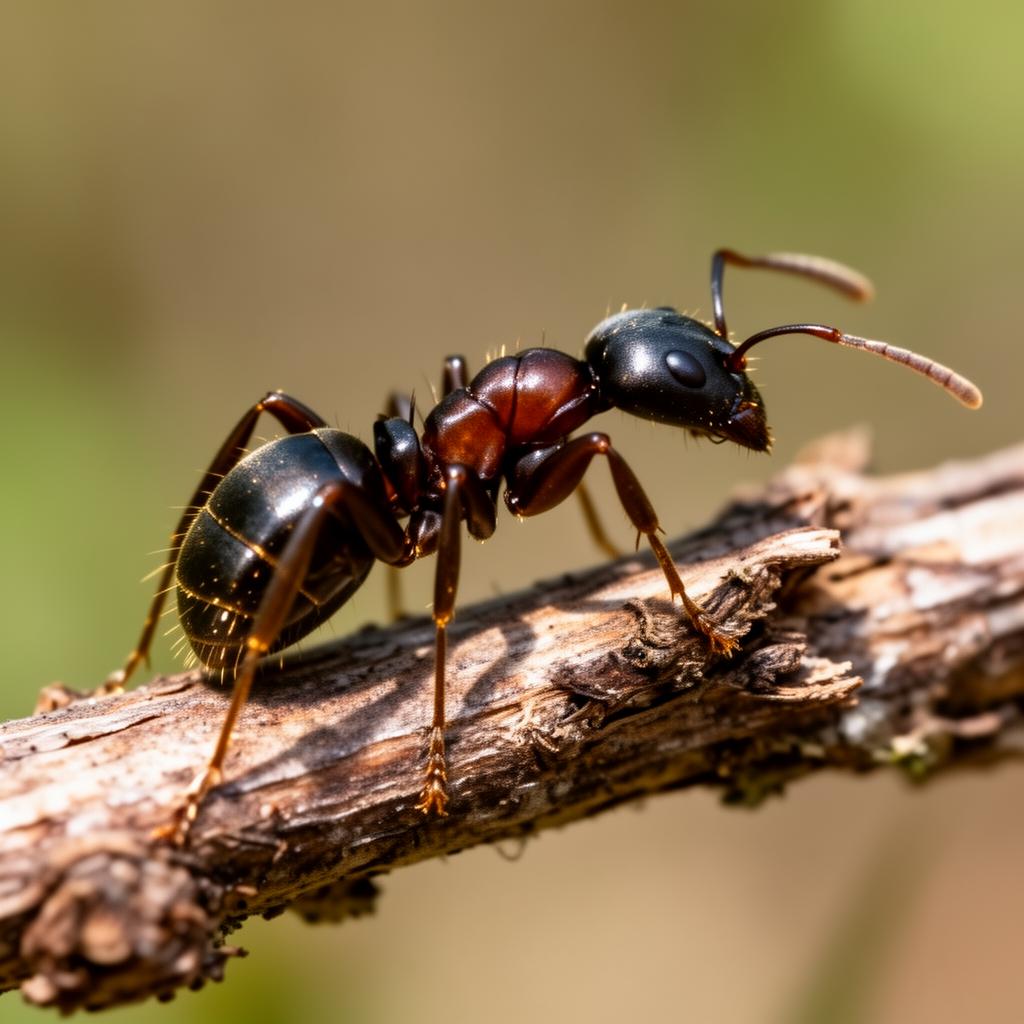
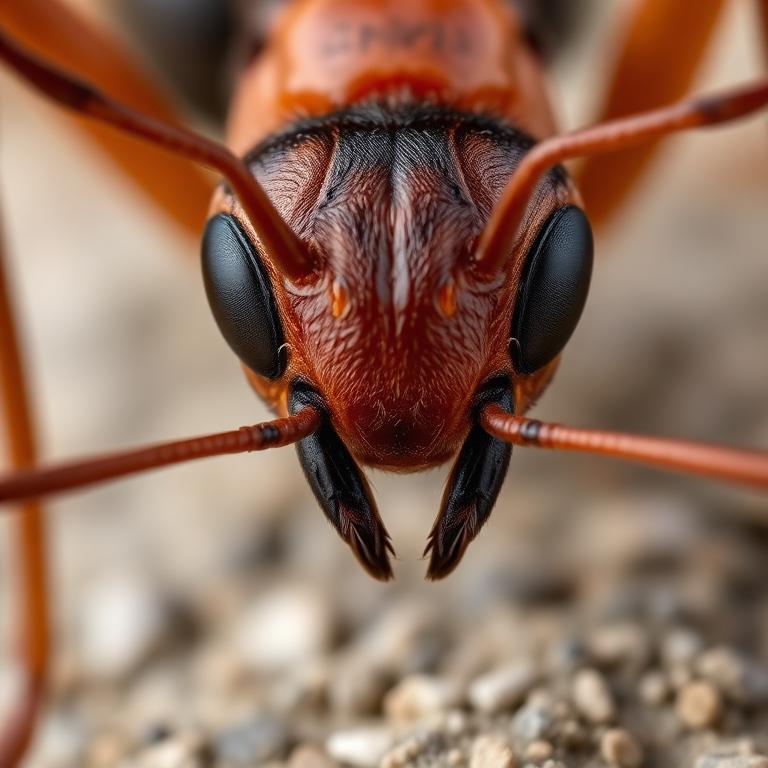
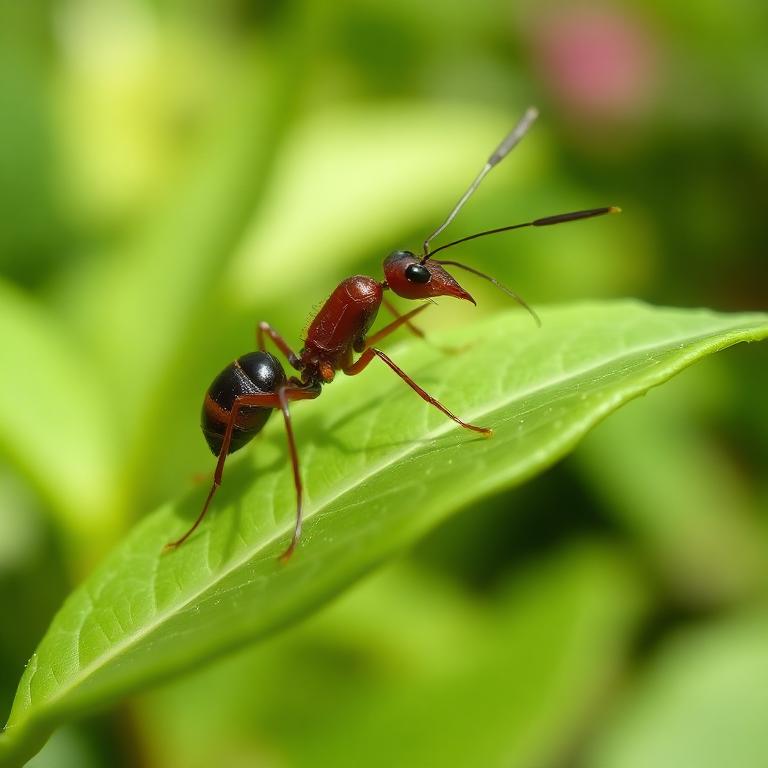
Formica subsericea, commonly known as the silky field ant, belongs to the family Formicidae, subfamily Formicinae. Workers range from 4 to 7 mm in length, exhibiting a uniform dark brown to black coloration with a silky sheen, while queens are noticeably larger, up to 9 mm. Their monomorphic worker caste displays a distinctive, evenly rounded mesosoma and a single-segmented petiole, lacking spines or teeth. The lifecycle from egg to adult typically spans 6–10 weeks, with development rates influenced by ambient temperature and humidity; eggs hatch in 2–3 weeks, larvae pupate within 3–4 weeks, and pupal stage lasts 2–3 weeks. Queens are typically monogynous, laying up to several hundred eggs per day in mature colonies, which can persist for 10–15 years under favorable conditions, tolerating temperate climates with average temperatures between 15–30°C and moderate humidity.
Behaviour
These ants exhibit diurnal foraging patterns, although some nocturnal activity may occur, particularly in warmer climates or during resource scarcity. Colonies are typically monogynous, with some instances of facultative polygyny observed, and communicate primarily through intricate trail-laying pheromones, specifically formicine acid derivatives, to recruit nestmates to food sources. Foraging involves both solitary scouting and organized trail following, with workers actively tending to aphid colonies on plants by protecting them from predators in exchange for nutrient-rich honeydew, a mutualistic relationship. When threatened or disturbed, field ants employ a chemical defense mechanism, accurately spraying formic acid from their abdominal glands, which can act as an irritant to larger predators and deter competing ant species.
Habits
Field ants primarily construct their nests in open, sunny disturbed areas, preferring bare soil, under stones, logs, or along the edges of sidewalks and foundations, characterized by a small, often inconspicuous mound of excavated soil. Foraging trails extend outwards from the nest up to 30 meters, as workers seek out sugary exudates, honeydew from Hemiptera, and protein sources such as dead insects or small arthropods. While primarily outdoor nesters, they will readily forage indoors through cracks, utility penetrations, or gaps under doors when outdoor food sources are scarce or during extreme weather conditions, particularly in search of pet food, syrups, or unsealed sugary items. Signs of infestation include visible sand piles near foundations, active trails of workers along structural elements, and the presence of ants tending aphids on landscape plants adjacent to structures.
Control methods
- 1Locate outdoor nests and treat directly with drench or dust
- 2Reduce honeydew by managing aphids on nearby plants
- 3Seal exterior cracks where trails enter the structure
- 4Use granular protein/sugar baits along foraging trails
- 5Trim vegetation touching the building
- 6Avoid repellent perimeter sprays that disrupt baiting
Tailored to Field Ant
IPM Procedure Checklist
Inspection
- Follow trails to nests, food and moisture sources
- Inspect wall voids, slab edges and exterior soil
- Place non-repellent monitors at trail crossings
Identification
- Confirm Field Ant (Formica subsericea) — not a look-alike
- Note life stage and risk level: Low
- Capture clear photos and samples for the record
Action Thresholds
- Tolerate low-level activity outside sensitive zones
- Act if activity moves indoors or near food
- Review threshold seasonally with the client
Prevention
- Seal entry cracks, utility penetrations and weep holes
- Eliminate honeydew-producing pests on landscape plants
- Store food in sealed containers and clean spills promptly
Control Methods
- Locate outdoor nests and treat directly with drench or dust
- Reduce honeydew by managing aphids on nearby plants
- Seal exterior cracks where trails enter the structure
- Use granular protein/sugar baits along foraging trails
Monitoring & Evaluation
- Service monitors on schedule and trend captures
- Re-inspect for Field Ant activity at follow-up
- Adjust tactics based on data; report findings to client