All pests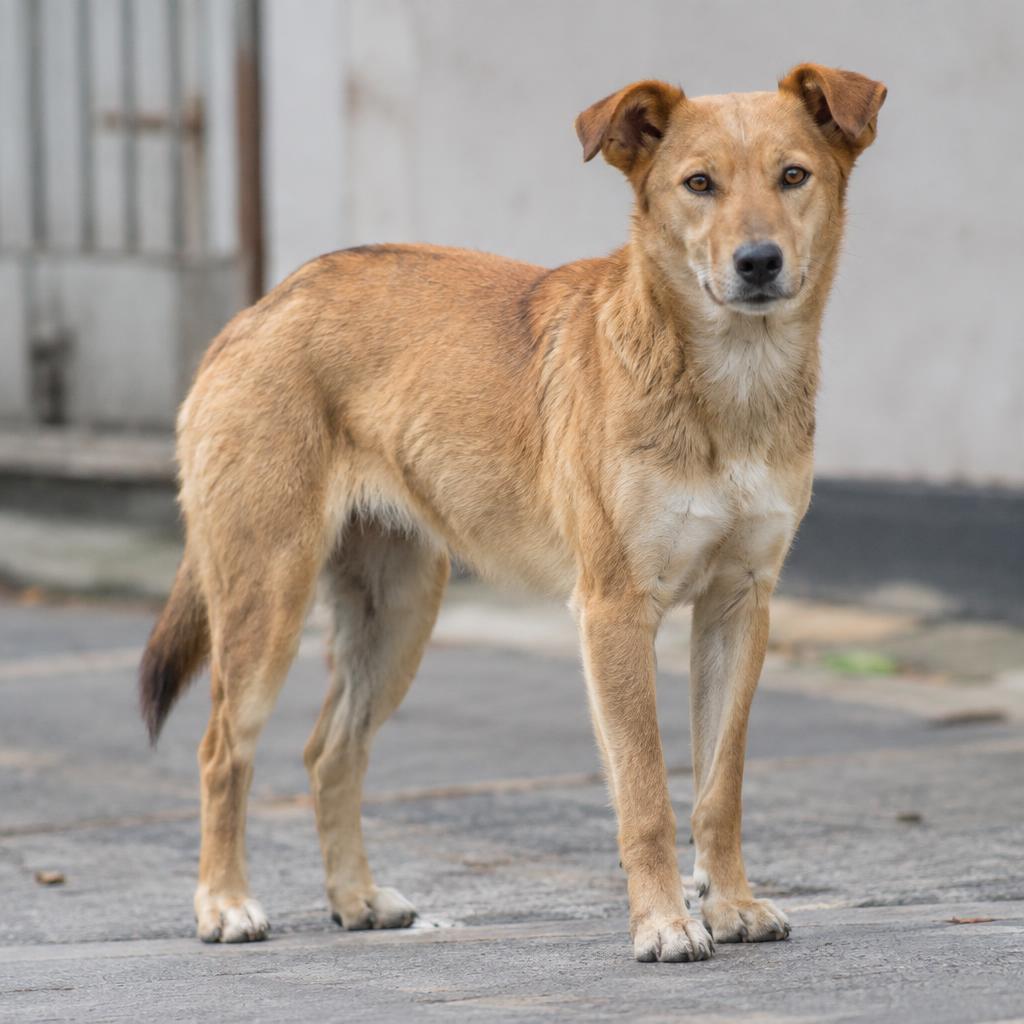 View full procedure
Mammal
Feral Dog
Canis lupus familiaris
Moderate Risk
Biology
Canis lupus familiaris in a free-roaming or wild state ranges from recently abandoned pets to fully feral populations. They form loose packs, establish territories, and breed without human management. Size and appearance vary widely.
Behaviour
Feral dogs are opportunistic scavengers and predators, often active at dawn and dusk. They may chase livestock, raid garbage, damage property, and display defensive or aggressive behaviour toward people and pets, especially in packs.
Habits
Problem areas include rural properties, industrial sites, parks, and neighborhoods with loose or dumped dogs. Repeated visits often follow unsecured trash, pet food left outdoors, or accessible livestock feed.
Control methods
- 1Report aggressive or sick animals to local animal control
- 2Remove attractants: secure garbage, feed, and pet food
- 3Use sturdy fencing and secure kennels for livestock and pets
- 4Employ humane trapping through licensed animal services
- 5Document incidents and pack movements for authorities
- 6Do not approach or feed feral dogs; maintain safe distance
Tailored to Feral Dog
IPM Procedure Checklist
Step 1
Inspection
- Survey interior and exterior for evidence and conducive conditions
- Document findings with photos and a site map
- Place monitors to confirm activity
Step 2
Identification
- Confirm Feral Dog (Canis lupus familiaris) — not a look-alike
- Note life stage and risk level: Moderate
- Capture clear photos and samples for the record
Step 3
Action Thresholds
- Trigger action when monitor counts trend up
- Re-evaluate weekly during active season
- Document trigger criteria in the IPM plan
Step 4
Prevention
- Exclude entry points and harborage
- Improve sanitation and moisture control
- Modify habitat around the structure
Step 5
Control Methods
- Report aggressive or sick animals to local animal control
- Remove attractants: secure garbage, feed, and pet food
- Use sturdy fencing and secure kennels for livestock and pets
- Employ humane trapping through licensed animal services
Step 6
Monitoring & Evaluation
- Service monitors on schedule and trend captures
- Re-inspect for Feral Dog activity at follow-up
- Adjust tactics based on data; report findings to client