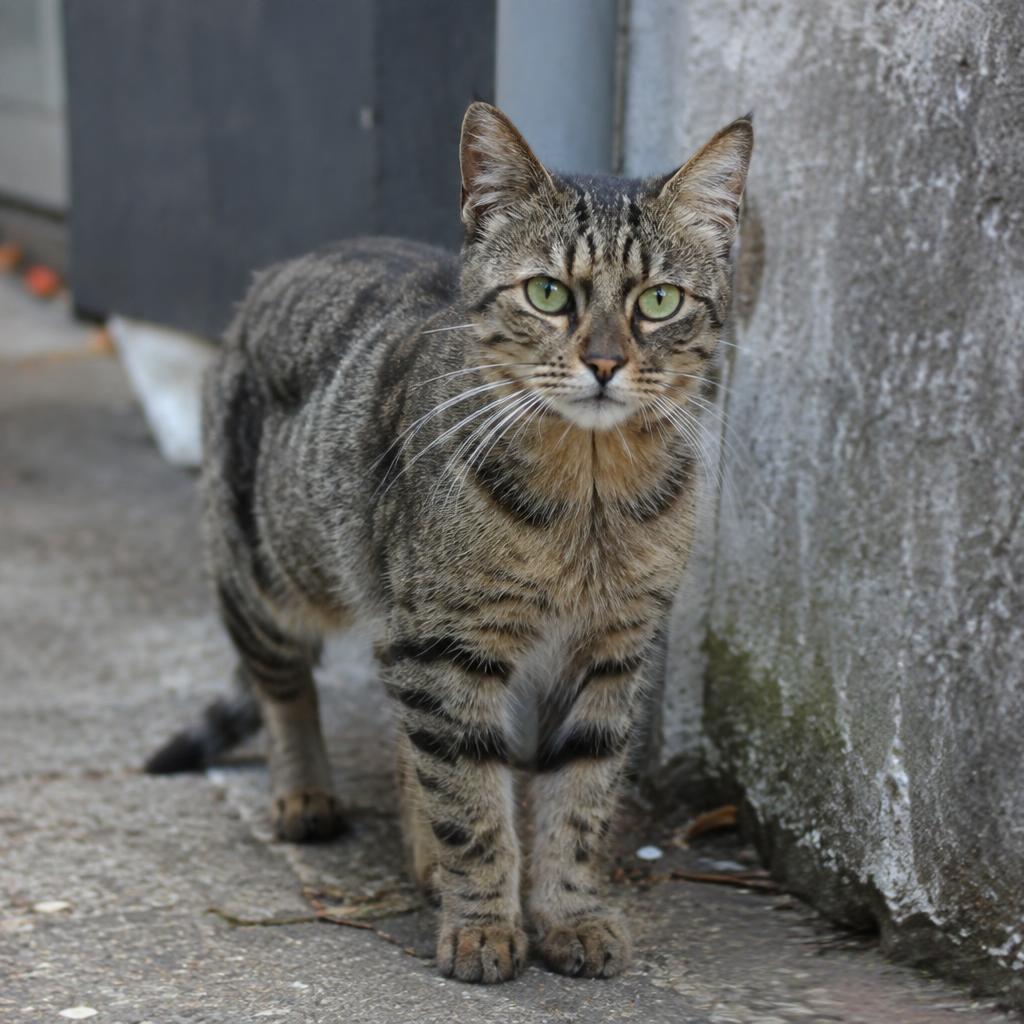
Mammal
Feral Cat
Felis catus
Biology
Felis catus is the domestic cat living in a wild or free-roaming state. Feral adults are typically unsocialized to people, although colony cats may tolerate caretakers. They are prolific breeders; a single female can produce multiple litters per year.
Behaviour
Feral cats are crepuscular and nocturnal hunters of rodents, birds, reptiles, and insects. They establish territories around food sources such as dumpsters, feeding stations, and barns. They may fight, yowl, and spray to mark territory.
Habits
Complaints include noise, odor, spraying on structures, digging in gardens, killing wildlife, and flea and parasite transmission. Colonies can form near restaurants, apartment complexes, and rural outbuildings where food is available.
Control methods
- 1Work with local TNR (trap-neuter-return) programs
- 2Remove or secure food sources and garbage
- 3Use humane live traps for removal where permitted
- 4Seal crawlspaces, sheds, and porches to prevent denning
- 5Apply odor-neutralizing cleaners to sprayed areas
- 6Follow local animal-control ordinances; never relocate without approval
Tailored to Feral Cat
IPM Procedure Checklist
Inspection
- Survey interior and exterior for evidence and conducive conditions
- Document findings with photos and a site map
- Place monitors to confirm activity
Identification
- Confirm Feral Cat (Felis catus) — not a look-alike
- Note life stage and risk level: Moderate
- Capture clear photos and samples for the record
Action Thresholds
- Trigger action when monitor counts trend up
- Re-evaluate weekly during active season
- Document trigger criteria in the IPM plan
Prevention
- Exclude entry points and harborage
- Improve sanitation and moisture control
- Modify habitat around the structure
Control Methods
- Work with local TNR (trap-neuter-return) programs
- Remove or secure food sources and garbage
- Use humane live traps for removal where permitted
- Seal crawlspaces, sheds, and porches to prevent denning
Monitoring & Evaluation
- Service monitors on schedule and trend captures
- Re-inspect for Feral Cat activity at follow-up
- Adjust tactics based on data; report findings to client