Insect
Dampwood Termite
Zootermopsis
Biology
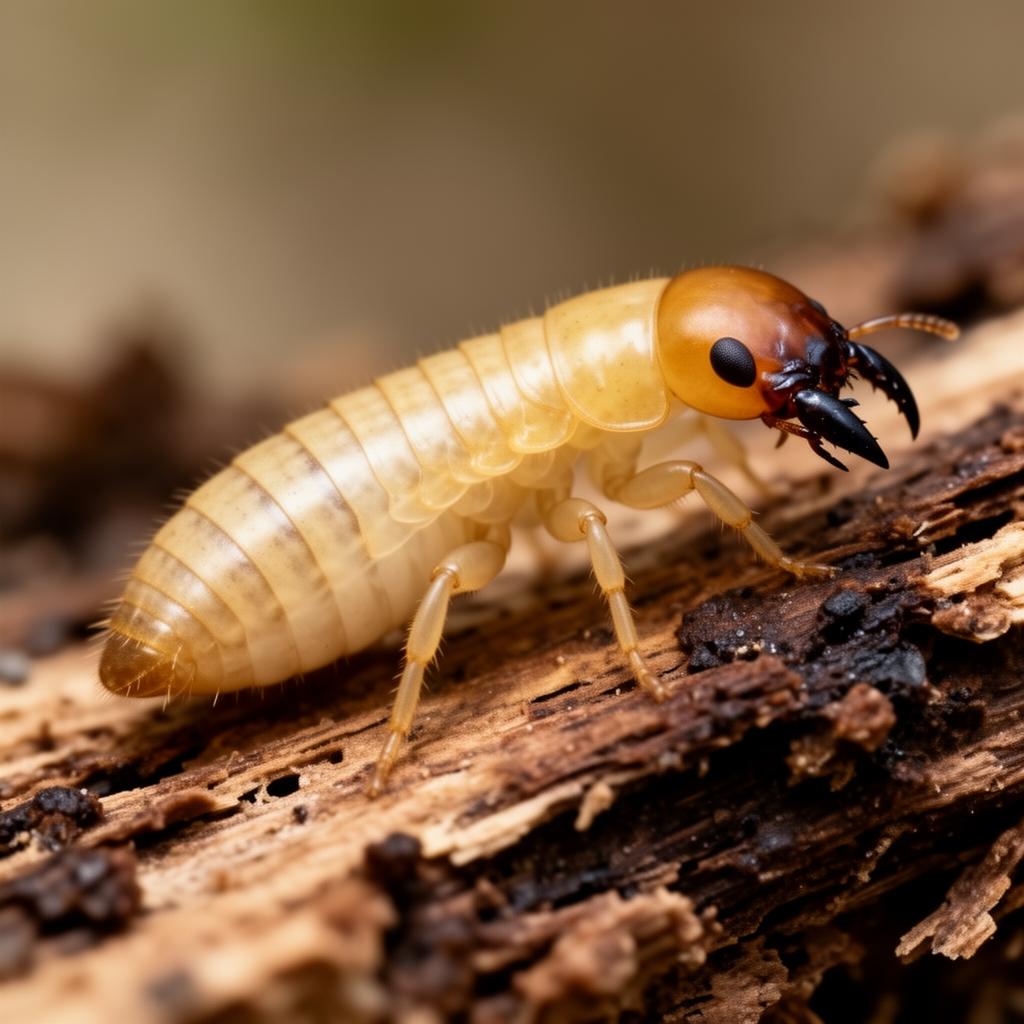
Dampwood termites in the genus Zootermopsis, primarily Z. angusticollis and Z. nevadensis, are among the largest termites in North America, with kings and queens reaching up to 25 mm as alates, and soldiers up to 20 mm. They are hemimetabolous insects, undergoing incomplete metamorphosis: egg, nymphal instars, and imago (adult). Nymphs can differentiate into various castes, including workers (pseudergates), soldiers, and reproductives, a process influenced by colony needs and pheromonal cues. Colony establishment typically begins with a primary reproductive pair, and development is slow, often taking several years to reach maturity, with mature colonies comprising several thousand individuals. These termites thrive in wood with exceptionally high moisture content – often above 25% – and are intolerant of desiccation, which dictates their harborage choices.
Behaviour
Dampwood termites are cryptic and eusocial insects, with colony activities primarily occurring within their wood galleries. Unlike subterranean termites, they do not construct mud tubes; instead, they maintain contact with their moist wood source internally. They feed exclusively on cellulose, digesting it with symbiotic protozoa and bacteria in their hindgut, excavating irregular galleries that follow the wood grain. Reproduction involves winged alates swarming, typically in the late summer or early fall evenings, attracted to lights, with dispersal flights usually occurring after rainfall. These primary reproductives pair off after shedding their wings and seek suitable moist woody substrates to initiate new colonies, communicating through pheromones to maintain colony structure and guide foraging.
Habits
Dampwood termites exclusively infest wood with elevated moisture levels, commonly found in decaying logs, stumps, and fallen trees, but also structural timbers in buildings compromised by chronic leaks, plumbing failures, or poor ventilation. Infestation signs include the presence of large, often dark-colored, six-sided fecal pellets (frass), which are typically expelled from ‘kick-out holes’ in the infested wood, though galleries may also be plugged with these pellets. Foraging is confined within the infested wood, rarely extending into sound, dry timber. Conducive conditions include direct wood-to-soil contact, unsealed foundations, water-damaged siding, and any structural elements retaining moisture due to environmental factors or building defects. Technicians should inspect crawl spaces, basements, and areas near plumbing fixtures or roof leaks for early detection.
Control methods
- 1Fix moisture source — leaks, gutters, drainage
- 2Replace water-damaged structural wood
- 3Improve crawlspace ventilation and vapor barrier
- 4Remove wood-to-soil contact and stumps
- 5Borate treatment of exposed sound wood
- 6Annual professional moisture inspection
Tailored to Dampwood Termite
IPM Procedure Checklist
Inspection
- Inspect harborage near food, water and warmth
- Check cracks, voids and appliance interiors
- Place sticky monitors at suspected hot-spots
Identification
- Confirm Dampwood Termite (Zootermopsis) — not a look-alike
- Note life stage and risk level: High
- Capture clear photos and samples for the record
Action Thresholds
- Zero-tolerance: act on first confirmed sighting
- Notify client and document the trigger event
- Prioritize health and regulatory risk in the plan
Prevention
- Seal cracks, plumbing penetrations and wall voids
- Eliminate moisture sources and standing water
- Improve sanitation: sealed food storage, grease removal
Control Methods
- Fix moisture source — leaks, gutters, drainage
- Replace water-damaged structural wood
- Improve crawlspace ventilation and vapor barrier
- Remove wood-to-soil contact and stumps
Monitoring & Evaluation
- Service monitors on schedule and trend captures
- Re-inspect for Dampwood Termite activity at follow-up
- Adjust tactics based on data; report findings to client