All pests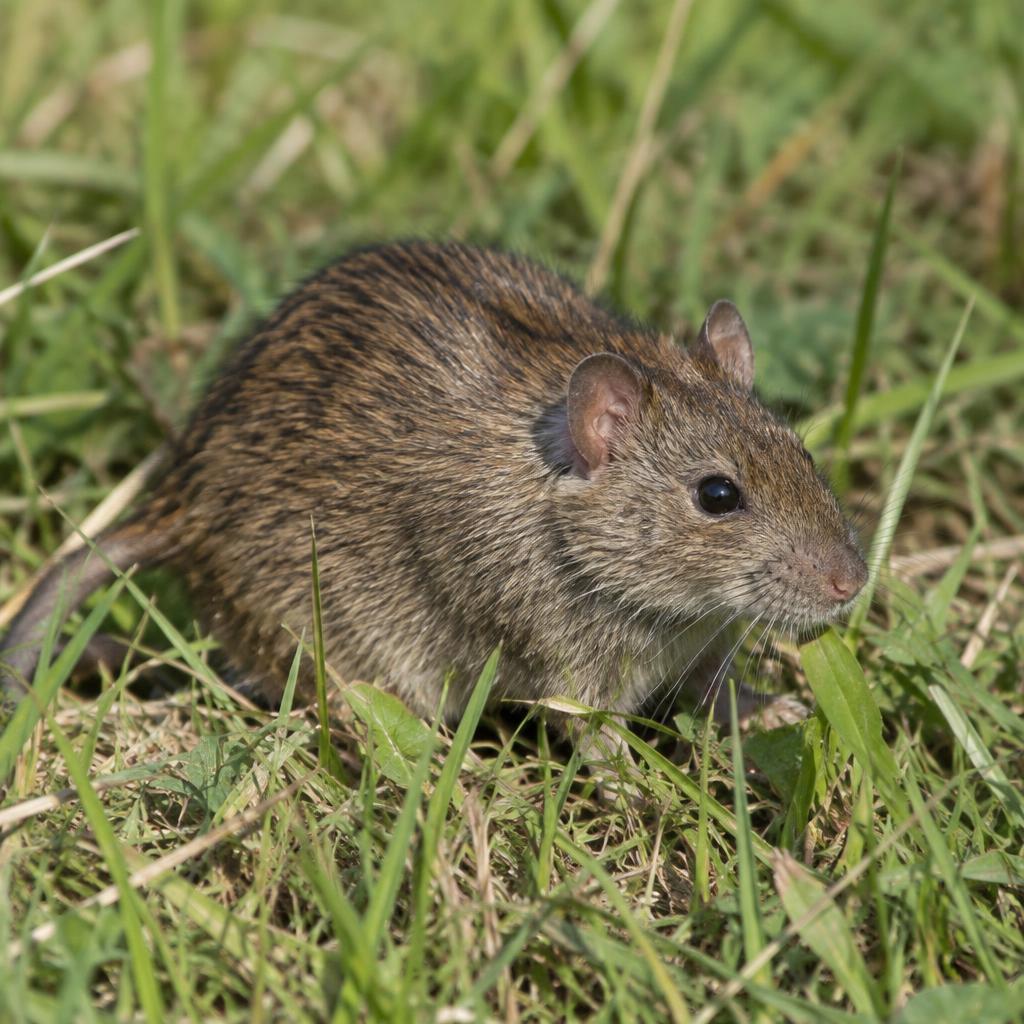 View full procedure
Rodent
Hispid Cotton Rat
Sigmodon hispidus
Low Risk
Biology
Sigmodon hispidus is a stocky, short-tailed rodent of grasslands and agricultural areas, 12–20 cm body length with a 5–8 cm tail. It has coarse grizzled brown fur, a blunt snout, and small ears. It breeds prolifically in warm months.
Behaviour
Cotton rats are primarily herbivorous, feeding on grasses, seeds, roots, and crops. They create runways through dense vegetation and construct shallow burrows or nests in grass clumps. They are active day and night with peaks at dawn and dusk.
Habits
In suburban edges they damage lawns, gardens, and landscaping by grazing and runway construction. They can carry hantavirus in some regions and may enter low structures or crawlspaces adjacent to heavy cover.
Control methods
- 1Reduce tall grass, weeds, and ground cover near buildings
- 2Maintain a vegetation-free zone around foundations
- 3Seal gaps and openings at ground level
- 4Use tamper-resistant bait stations along runways where permitted
- 5Set snap traps perpendicular to runways with peanut butter or grain bait
- 6Wear gloves when handling traps or dead rodents
Tailored to Hispid Cotton Rat
IPM Procedure Checklist
Step 1
Inspection
- Locate runways, droppings, rub marks and gnaw damage
- Identify entry points (gaps ≥6 mm) and harborage
- Place tracking patches or non-toxic monitors
Step 2
Identification
- Confirm Hispid Cotton Rat (Sigmodon hispidus) — not a look-alike
- Note life stage and risk level: Low
- Capture clear photos and samples for the record
Step 3
Action Thresholds
- Tolerate low-level activity outside sensitive zones
- Act if activity moves indoors or near food
- Review threshold seasonally with the client
Step 4
Prevention
- Exclude with steel wool, hardware cloth and door sweeps
- Trim vegetation 0.5 m from structure; clear debris
- Secure trash, pet food and stored grain
Step 5
Control Methods
- Reduce tall grass, weeds, and ground cover near buildings
- Maintain a vegetation-free zone around foundations
- Seal gaps and openings at ground level
- Use tamper-resistant bait stations along runways where permitted
Step 6
Monitoring & Evaluation
- Service monitors on schedule and trend captures
- Re-inspect for Hispid Cotton Rat activity at follow-up
- Adjust tactics based on data; report findings to client