Ant
Cornfield Ant
Lasius neoniger
Biology
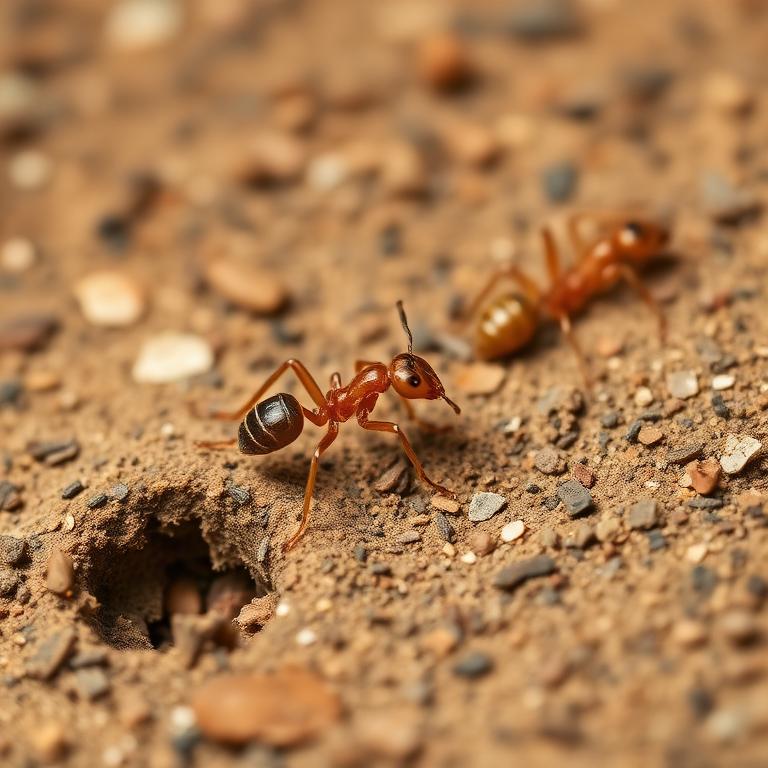
The cornfield ant is a small light to medium brown Lasius worker 2–3 mm long with a single-node waist and no sting. Colonies are typically single-queened but extremely dense — hundreds of nests can occupy a single lawn or fairway — and each produces the small crater of excavated soil that is the species' signature. Large synchronised mating flights occur on humid late-summer afternoons, when clouds of alates emerge and are a common source of panicked service calls.
Behaviour
Workers are day- and evening-active and forage almost entirely for honeydew, tending root-feeding aphids and corn-root aphids underground and moving them between host plants — a genuine agricultural relationship that gives the species its name. Above ground they scavenge insects and sweets and will trail indoors to kitchens. They neither bite meaningfully nor sting, and cause no structural damage; complaints centre on soil craters on turf, displaced sand in pavement joints, indoor trailing, and swarming alates.
Habits
Nests are in open sunny soil: lawns, sports turf, golf greens and tees, garden beds, and beneath sidewalks, driveways, patios and paver joints, where the excavated sand dulls mower blades and mars playing surfaces. Foraging workers enter buildings through slab expansion joints, weep holes and door thresholds. Conducive conditions include thin dry turf, sandy soil, unsealed slab joints, and aphid-rich landscape plants. Inspect for crater mounds in turf and pavement seams, then follow indoor trails back to the exterior entry point.
Control methods
- 1Follow indoor trails to the exterior entry point and treat the source
- 2Use sweet liquid or gel baits at active trails
- 3Seal slab expansion joints, weep holes and door thresholds
- 4Maintain dense healthy turf to discourage crater nesting
- 5Control aphids on landscape plants to cut the honeydew supply
- 6Apply a targeted perimeter residual band rather than broadcast turf spraying
Tailored to Cornfield Ant
IPM Procedure Checklist
Inspection
- Follow trails to nests, food and moisture sources
- Inspect wall voids, slab edges and exterior soil
- Place non-repellent monitors at trail crossings
Identification
- Confirm Cornfield Ant (Lasius neoniger) — not a look-alike
- Note life stage and risk level: Low
- Capture clear photos and samples for the record
Action Thresholds
- Tolerate low-level activity outside sensitive zones
- Act if activity moves indoors or near food
- Review threshold seasonally with the client
Prevention
- Seal entry cracks, utility penetrations and weep holes
- Eliminate honeydew-producing pests on landscape plants
- Store food in sealed containers and clean spills promptly
Control Methods
- Follow indoor trails to the exterior entry point and treat the source
- Use sweet liquid or gel baits at active trails
- Seal slab expansion joints, weep holes and door thresholds
- Maintain dense healthy turf to discourage crater nesting
Monitoring & Evaluation
- Service monitors on schedule and trend captures
- Re-inspect for Cornfield Ant activity at follow-up
- Adjust tactics based on data; report findings to client