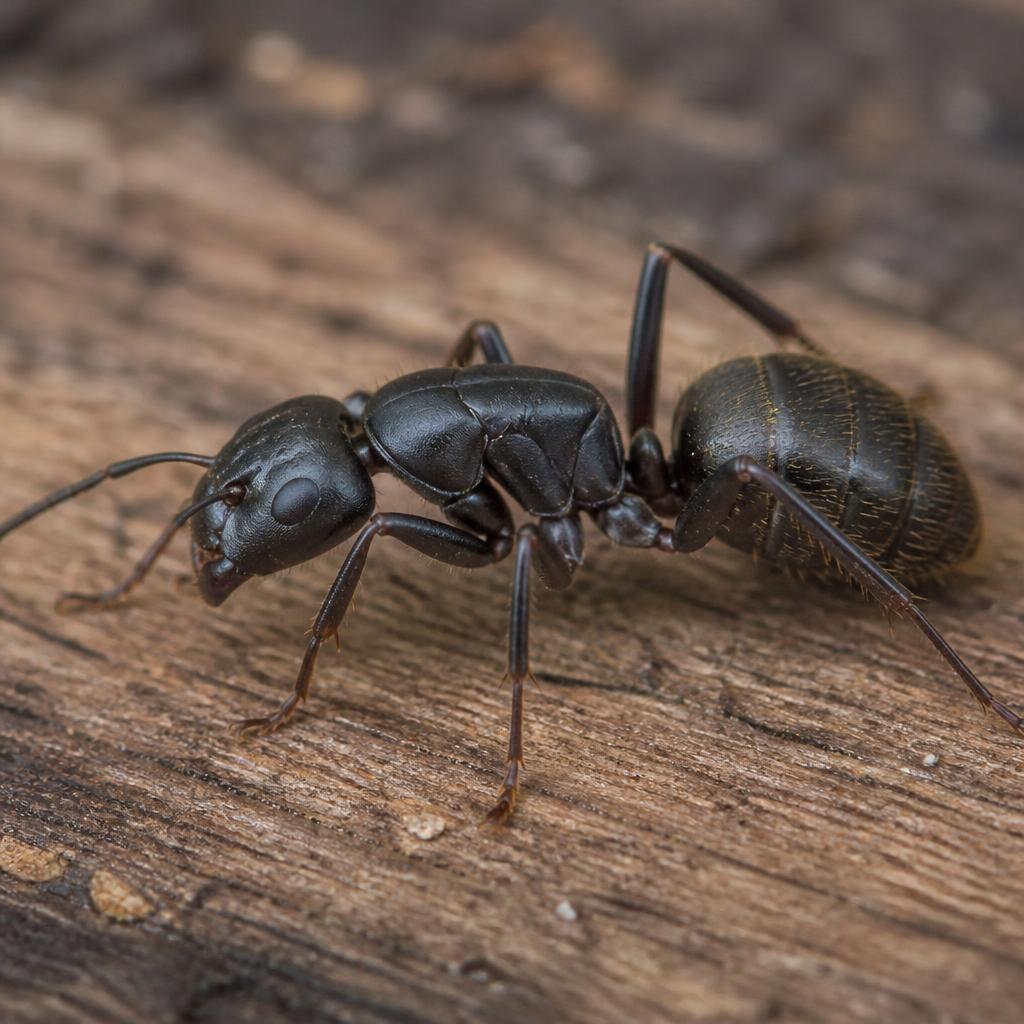
Ant
Carpenter Ant
Camponotus pennsylvanicus
Photo gallery
Biology
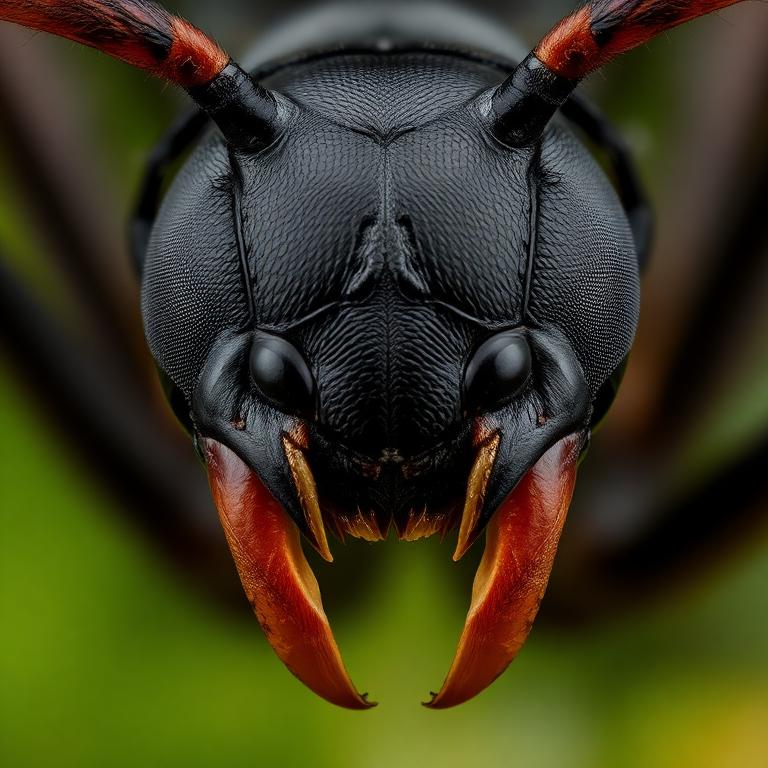
Formally known as *Camponotus pennsylvanicus*, the black carpenter ant belongs to the Formicidae family, distinguishable by its characteristic single petiole node and evenly arched thoracic dorsum when viewed in profile, differentiating it from *Formica* species. Queens measure 13–16 mm, males 9–11 mm, and workers range from 6–13 mm, displaying polymorphism within the colony. A colony initiates with a founding queen, producing small 'minor' workers. After 3–6 years, the colony matures, potentially housing 10,000–50,000 individuals, eventually producing winged reproductives (alates) for dispersal. Developmental time from egg to adult varies significantly with temperature, but averages 6–12 weeks. Optimal development occurs between 21–32°C and high humidity.
Behaviour
Carpenter ants are predominantly nocturnal foragers, venturing out at dusk and returning before dawn, although minor worker activity can be observed during the day, particularly on overcast days or in shaded areas. They navigate using chemical trails (pheromones) laid by successful foragers, communicating food source locations and navigating complex routes up to 100 meters or more from the central nest. While generally not aggressive, major workers can deliver a painful bite and sometimes spray formic acid as a defensive mechanism if the nest is disturbed. Their excavation activities, particularly in structural timbers, compromise integrity by creating extensive galleries, leading to significant structural damage that can be mistaken for termite activity, underscoring their economic and public health impact.
Habits
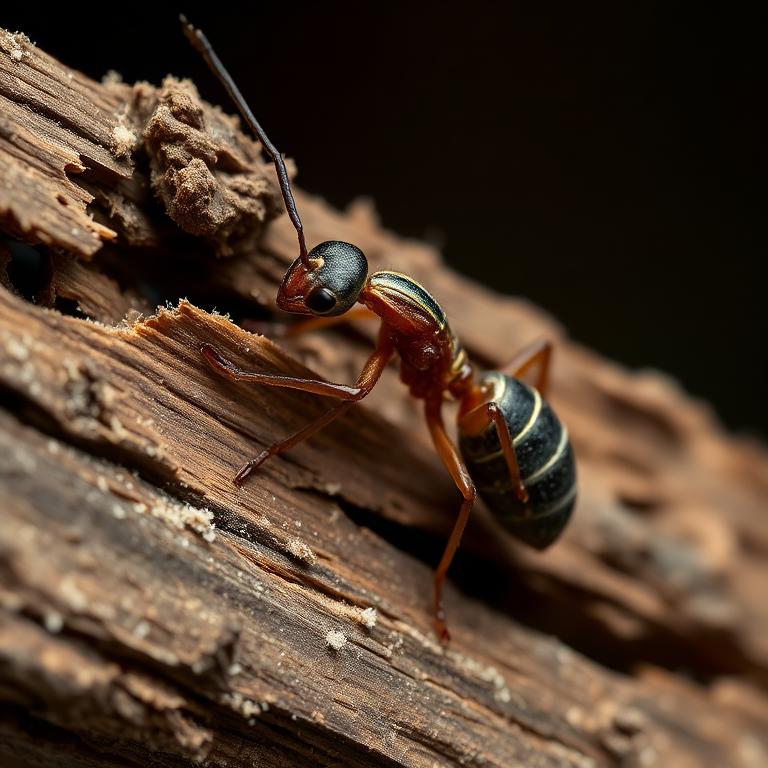
Carpenter ants establish primary nests in damp or decaying wood, which provides ideal conditions for excavation and brood rearing — common locations include water-damaged sills, window frames, doorframes, and subflooring. Satellite nests, containing older larvae, pupae, and winged reproductives, are often found in drier, warmer locations closer to food sources, sometimes several meters from the main colony. Foraging patterns typically involve following established trails along utility lines, tree branches contacting structures, or structural voids. Diagnostic signs of infestation include piles of 'frass'—a sawdust-like material containing wood shavings, insect parts, and insulation—expelled through kick-out holes. Conducive conditions for infestation include excessive moisture from leaky roofs, plumbing, or poorly draining landscapes adjacent to structures.
Control methods
- 1Locate and directly treat parent + satellite nests
- 2Non-repellent perimeter spray (fipronil/chlorfenapyr)
- 3Replace moisture-damaged wood; fix roof/plumbing leaks
- 4Trim tree limbs touching the structure
- 5Granular baits along foraging trails
- 6Dust voids where frass is observed
Tailored to Carpenter Ant
IPM Procedure Checklist
Inspection
- Follow trails to nests, food and moisture sources
- Inspect wall voids, slab edges and exterior soil
- Place non-repellent monitors at trail crossings
Identification
- Confirm Carpenter Ant (Camponotus pennsylvanicus) — not a look-alike
- Note life stage and risk level: High
- Capture clear photos and samples for the record
Action Thresholds
- Zero-tolerance: act on first confirmed sighting
- Notify client and document the trigger event
- Prioritize health and regulatory risk in the plan
Prevention
- Seal entry cracks, utility penetrations and weep holes
- Eliminate honeydew-producing pests on landscape plants
- Store food in sealed containers and clean spills promptly
Control Methods
- Locate and directly treat parent + satellite nests
- Non-repellent perimeter spray (fipronil/chlorfenapyr)
- Replace moisture-damaged wood; fix roof/plumbing leaks
- Trim tree limbs touching the structure
Monitoring & Evaluation
- Service monitors on schedule and trend captures
- Re-inspect for Carpenter Ant activity at follow-up
- Adjust tactics based on data; report findings to client