Blood Feeder
Brown Dog Tick
Rhipicephalus sanguineus
Biology
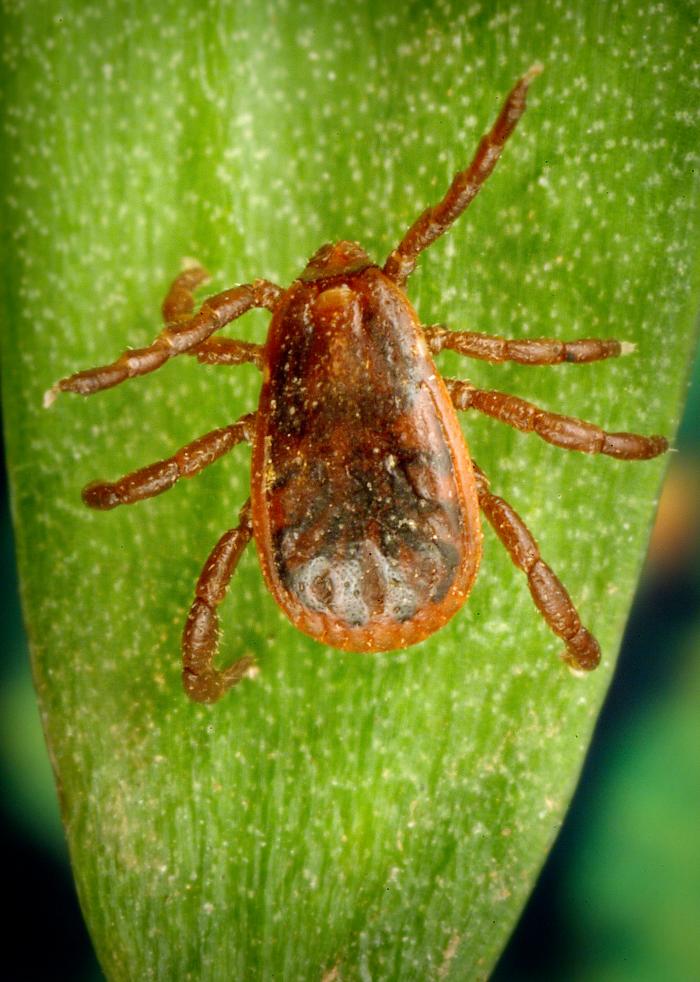
The brown dog tick, formerly *Rhipicephalus sanguineus sensu lato*, is now recognized as a complex of species, with *Rhipicephalus sanguineus sensu stricto* (the tropical lineage) and *Rhipicephalus turanicus* (the temperate lineage) being primary indoor pests. Adults are reddish-brown, 3-4 mm unfed; gravid females swell up to 10-12 mm and turn slate-gray. This three-host tick undergoes complete metamorphosis: egg, larva, nymph, and adult. Each active stage–larva, nymph, and adult–must take a blood meal from a host to molt or reproduce. The entire life cycle, from egg to egg, can be completed in as little as 54-60 days under optimal conditions (25-30°C and 70-90% relative humidity), allowing for rapid population growth indoors.
Behaviour
This tick is highly specialized on canids, although it will opportunistically feed on humans and other mammals if canine hosts are unavailable. *R. sanguineus* exhibits negative geotaxis after engorgement, leading them to climb upwards on walls and furniture, seeking concealed, elevated locations such as ceiling-wall junctions, picture frames, and curtain rods for molting or egg-laying. Dispersal primarily occurs via host movement. While not social, high reproductive rates and indoor survival often lead to localized infestations with numerous individuals. It is a competent vector for several canine pathogens including *Ehrlichia canis* (canine ehrlichiosis), *Babesia canis* (canine babesiosis), and *Rickettsia rickettsii* (Rocky Mountain spotted fever in humans), underscoring its significant public health and veterinary impact.
Habits
Brown dog ticks are unique among hard ticks for their ability to complete their entire life cycle indoors, leading to persistent household infestations, even in northern climates. Harborage preferences include cracks and crevices in kennels, dog beds, under rugs, within furniture, and particularly high up on walls and ceilings where engorged ticks retreat for digestion and molting/oviposition. They are typically nocturnal feeders, questing for hosts from these hidden locations. Infestations often begin with an infested dog brought into a new environment; subsequently, populations can expand rapidly throughout the structure. Signs of infestation include visible ticks on dogs, engorged ticks crawling on surfaces (especially walls), or tick eggs in cracks and crevices, resembling small dark brown beads.
Control methods
- 1Veterinary tick prevention on all dogs year-round
- 2Wash pet bedding hot weekly during infestation
- 3IGR + adulticide treatment of indoor harborage
- 4Treat kennels, baseboards and wall-ceiling junctions
- 5Vacuum daily and discard bag/canister contents
- 6Professional treatment for established home infestation
Tailored to Brown Dog Tick
IPM Procedure Checklist
Inspection
- Survey interior and exterior for evidence and conducive conditions
- Document findings with photos and a site map
- Place monitors to confirm activity
Identification
- Confirm Brown Dog Tick (Rhipicephalus sanguineus) — not a look-alike
- Note life stage and risk level: High
- Capture clear photos and samples for the record
Action Thresholds
- Zero-tolerance: act on first confirmed sighting
- Notify client and document the trigger event
- Prioritize health and regulatory risk in the plan
Prevention
- Exclude entry points and harborage
- Improve sanitation and moisture control
- Modify habitat around the structure
Control Methods
- Veterinary tick prevention on all dogs year-round
- Wash pet bedding hot weekly during infestation
- IGR + adulticide treatment of indoor harborage
- Treat kennels, baseboards and wall-ceiling junctions
Monitoring & Evaluation
- Service monitors on schedule and trend captures
- Re-inspect for Brown Dog Tick activity at follow-up
- Adjust tactics based on data; report findings to client