All pests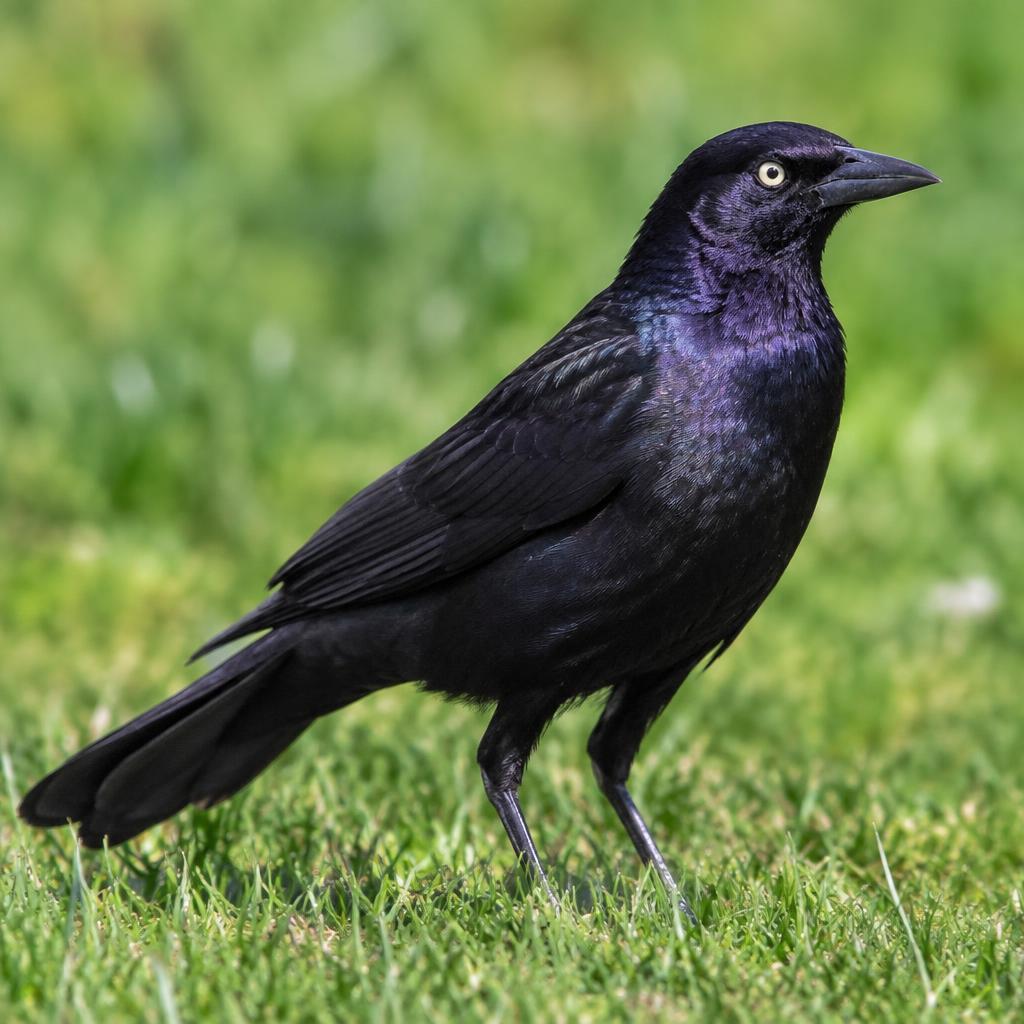 View full procedure
Bird
Brewer's Blackbird
Euphagus cyanocephalus
Low Risk
Biology
Euphagus cyanocephalus is a medium-sized blackbird; males are glossy black with a purple head sheen and pale eye, while females are brownish-gray. They are common in open habitats, parking lots, agricultural areas, and suburban edges.
Behaviour
Brewer's blackbirds forage on the ground for insects, seeds, and food waste. They form large winter roosts in trees and on building ledges, often returning to the same sites nightly. Nests are built in shrubs and low trees.
Habits
Large roosts create heavy droppings on sidewalks, parked vehicles, and outdoor seating. Congregations around dumpsters, outdoor dining, and livestock facilities can become persistent nuisance issues and increase cleaning costs.
Control methods
- 1Remove food sources: secure dumpsters, clean outdoor dining areas
- 2Use bird spikes, wires, or slope devices on ledges
- 3Deploy sound or light deterrents for roost dispersal where permitted
- 4Trim roost trees or use netting over high-value areas
- 5Maintain regular pressure washing of droppings with PPE
- 6Coordinate with wildlife authorities for large roost management
Tailored to Brewer's Blackbird
IPM Procedure Checklist
Step 1
Inspection
- Identify roosting, loafing and nesting sites
- Document droppings, feathers and damage to structure
- Note food and water sources attracting birds
Step 2
Identification
- Confirm Brewer's Blackbird (Euphagus cyanocephalus) — not a look-alike
- Note life stage and risk level: Low
- Capture clear photos and samples for the record
Step 3
Action Thresholds
- Tolerate low-level activity outside sensitive zones
- Act if activity moves indoors or near food
- Review threshold seasonally with the client
Step 4
Prevention
- Install spikes, netting or shock track on ledges
- Remove standing water and accessible food
- Close openings to attics, vents and signage voids
Step 5
Control Methods
- Remove food sources: secure dumpsters, clean outdoor dining areas
- Use bird spikes, wires, or slope devices on ledges
- Deploy sound or light deterrents for roost dispersal where permitted
- Trim roost trees or use netting over high-value areas
Step 6
Monitoring & Evaluation
- Service monitors on schedule and trend captures
- Re-inspect for Brewer's Blackbird activity at follow-up
- Adjust tactics based on data; report findings to client