All pests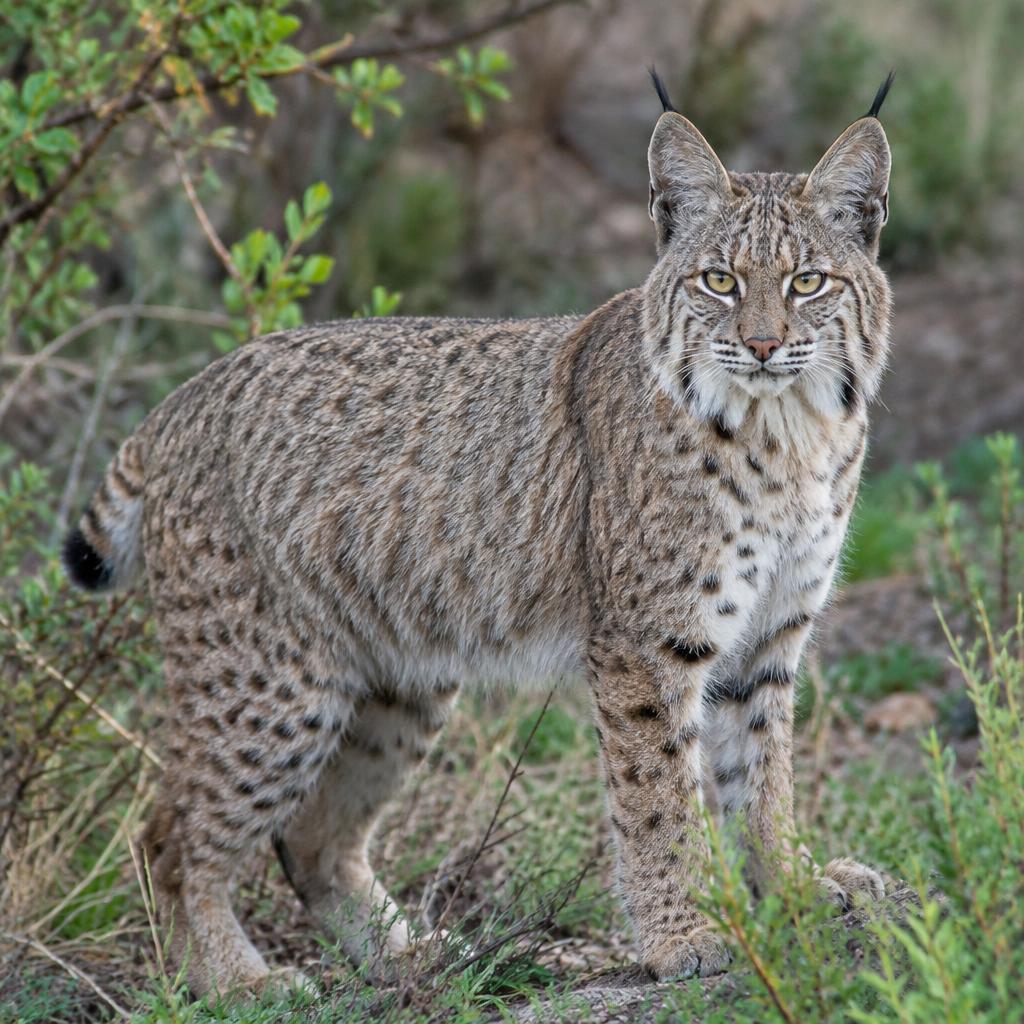 View full procedure
Mammal
Bobcat
Lynx rufus
Moderate Risk
Biology
Lynx rufus is a medium-sized wild cat, 6–18 kg, with a short tail, tufted ears, spotted coat, and ruffed cheeks. It is highly adaptable and found in forests, deserts, swamps, and suburban edges.
Behaviour
Bobcats are solitary, crepuscular hunters of rabbits, squirrels, birds, and small domestic animals. They mark territory with scrapes, scent posts, and scat. They are generally secretive and avoid people but may prey on outdoor pets.
Habits
Suburban complaints involve missing cats and small dogs, poultry losses, and sightings near homes. Bobcats may den under decks, in brush piles, or in outbuildings. They are protected in many areas and require regulated management.
Control methods
- 1Keep cats and small dogs indoors, especially dawn and dusk
- 2Secure poultry, rabbits, and small livestock with predator-proof enclosures
- 3Remove brush piles, woodpiles, and overgrown cover near structures
- 4Do not feed wildlife or leave pet food outdoors
- 5Use motion-activated lights and noise deterrents
- 6Contact wildlife agencies before trapping or lethal control
Tailored to Bobcat
IPM Procedure Checklist
Step 1
Inspection
- Survey interior and exterior for evidence and conducive conditions
- Document findings with photos and a site map
- Place monitors to confirm activity
Step 2
Identification
- Confirm Bobcat (Lynx rufus) — not a look-alike
- Note life stage and risk level: Moderate
- Capture clear photos and samples for the record
Step 3
Action Thresholds
- Trigger action when monitor counts trend up
- Re-evaluate weekly during active season
- Document trigger criteria in the IPM plan
Step 4
Prevention
- Exclude entry points and harborage
- Improve sanitation and moisture control
- Modify habitat around the structure
Step 5
Control Methods
- Keep cats and small dogs indoors, especially dawn and dusk
- Secure poultry, rabbits, and small livestock with predator-proof enclosures
- Remove brush piles, woodpiles, and overgrown cover near structures
- Do not feed wildlife or leave pet food outdoors
Step 6
Monitoring & Evaluation
- Service monitors on schedule and trend captures
- Re-inspect for Bobcat activity at follow-up
- Adjust tactics based on data; report findings to client