All pests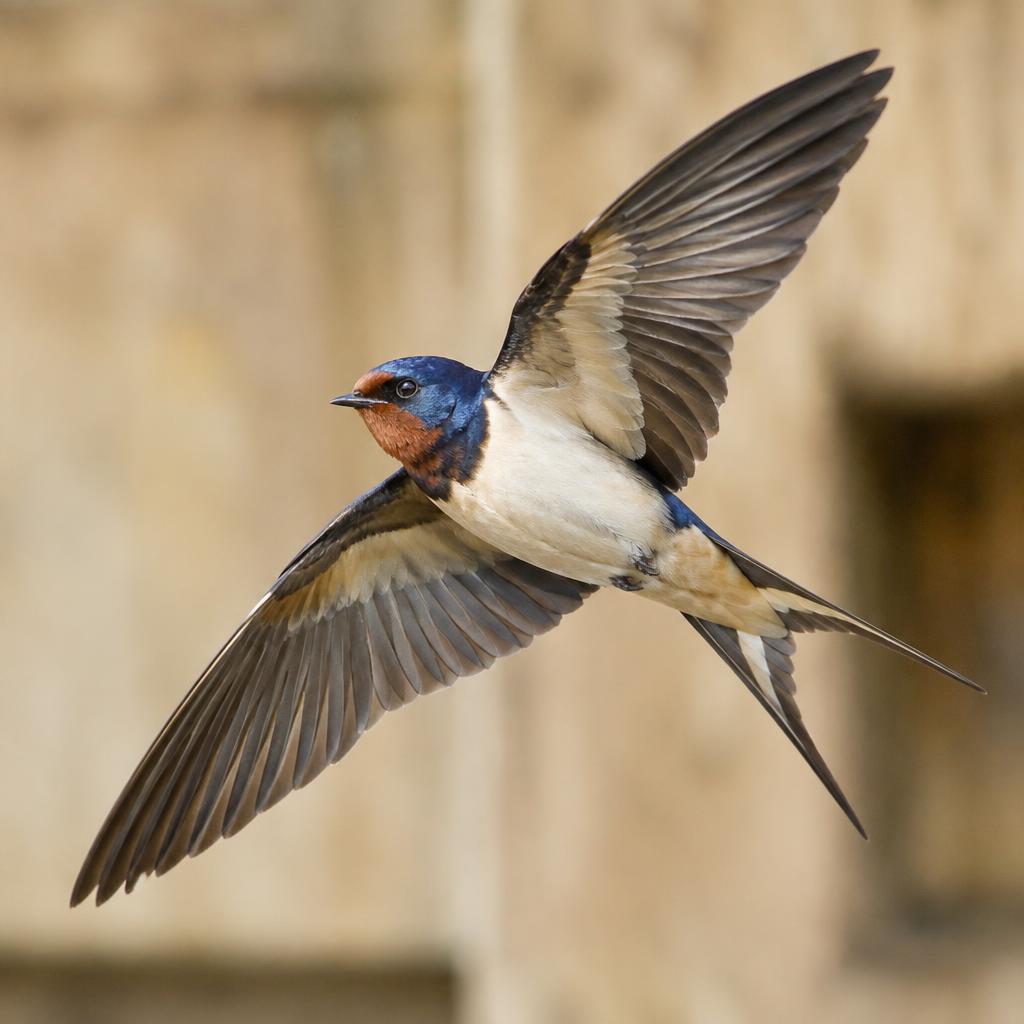 View full procedure
Bird
Barn Swallow
Hirundo rustica
Low Risk
Biology
Hirundo rustica is a sleek, aerial insectivore with glossy blue upperparts, a rusty throat, a cream belly, and a deeply forked tail. It is one of the most widespread swallow species and strongly associated with human structures.
Behaviour
Barn swallows build cup-shaped mud nests on vertical surfaces under eaves, bridges, and inside barns, garages, and sheds. They feed almost exclusively on flying insects caught on the wing and may raise two broods per season.
Habits
Mud nests stain siding, accumulate droppings below, and can harbor mites, flies, and swallow bugs. Nests over doorways create slip and sanitation hazards. Because they are migratory birds, timing and regulations affect control options.
Control methods
- 1Remove old nests only when empty and outside the breeding season
- 2Install physical barriers such as netting or angled boards under eaves
- 3Seal preferred nesting surfaces or treat with bird-safe repellent gel
- 4Keep doors and windows closed in barns/garages during nesting season
- 5Pressure-wash droppings with appropriate PPE and disinfectant
- 6Consult federal and state migratory-bird regulations before action
Tailored to Barn Swallow
IPM Procedure Checklist
Step 1
Inspection
- Identify roosting, loafing and nesting sites
- Document droppings, feathers and damage to structure
- Note food and water sources attracting birds
Step 2
Identification
- Confirm Barn Swallow (Hirundo rustica) — not a look-alike
- Note life stage and risk level: Low
- Capture clear photos and samples for the record
Step 3
Action Thresholds
- Tolerate low-level activity outside sensitive zones
- Act if activity moves indoors or near food
- Review threshold seasonally with the client
Step 4
Prevention
- Install spikes, netting or shock track on ledges
- Remove standing water and accessible food
- Close openings to attics, vents and signage voids
Step 5
Control Methods
- Remove old nests only when empty and outside the breeding season
- Install physical barriers such as netting or angled boards under eaves
- Seal preferred nesting surfaces or treat with bird-safe repellent gel
- Keep doors and windows closed in barns/garages during nesting season
Step 6
Monitoring & Evaluation
- Service monitors on schedule and trend captures
- Re-inspect for Barn Swallow activity at follow-up
- Adjust tactics based on data; report findings to client