Ant
Argentine Ant
Linepithema humile
Photo gallery
Biology
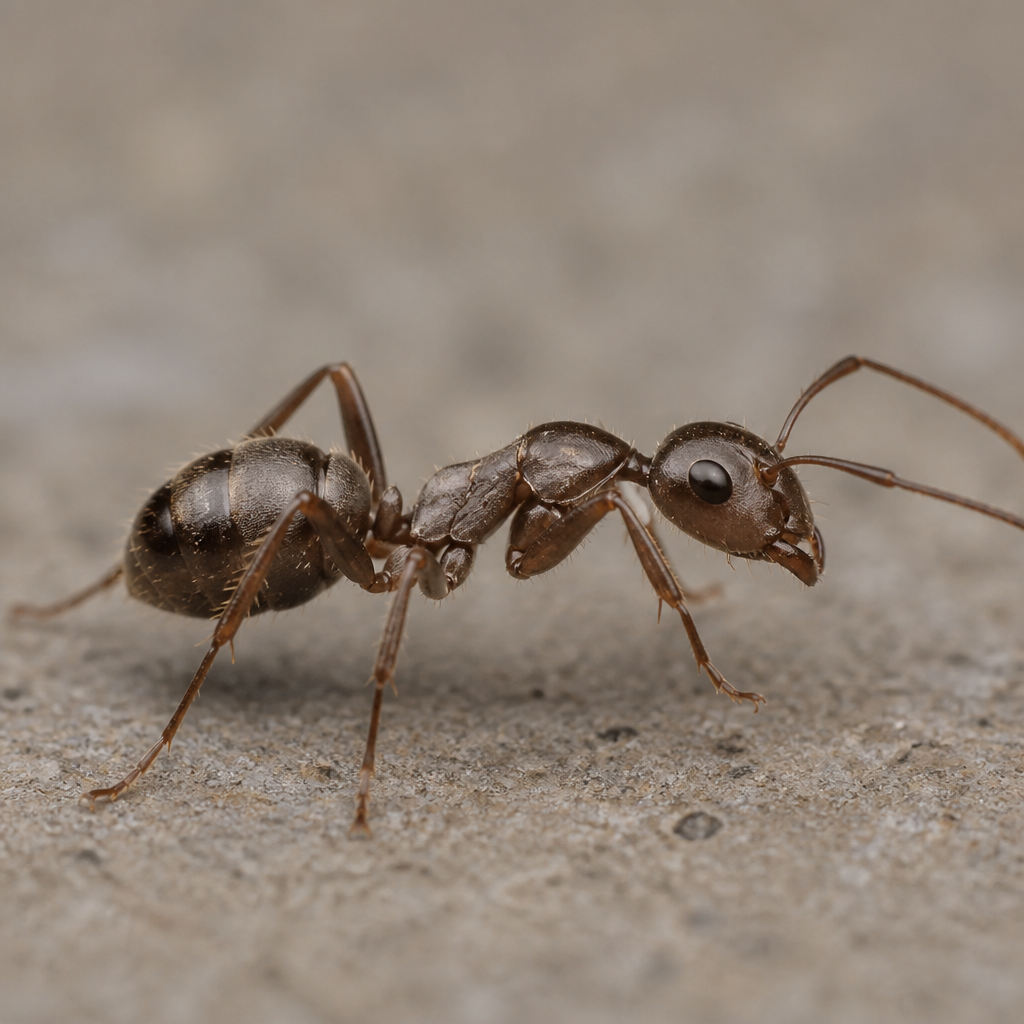
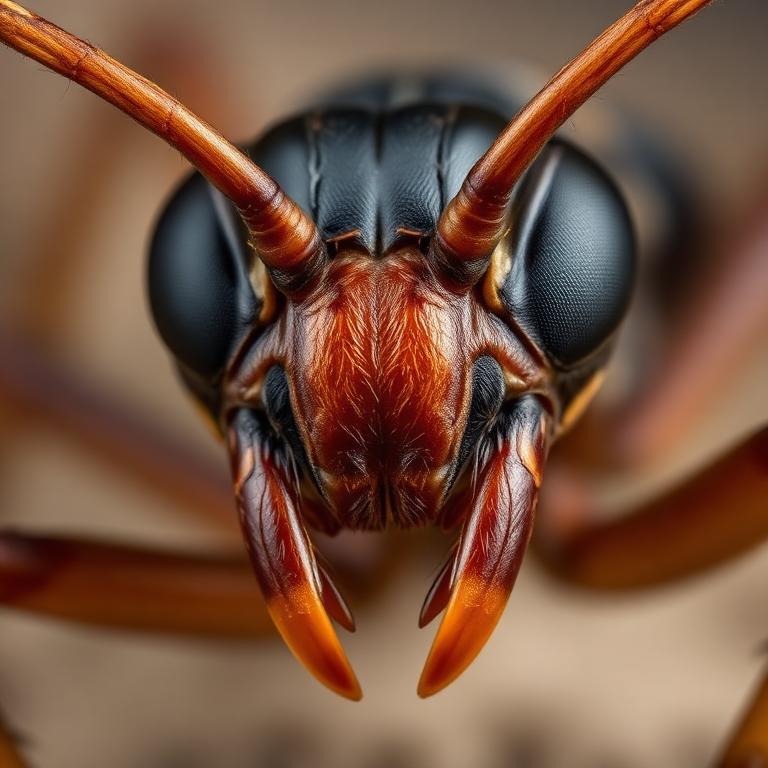
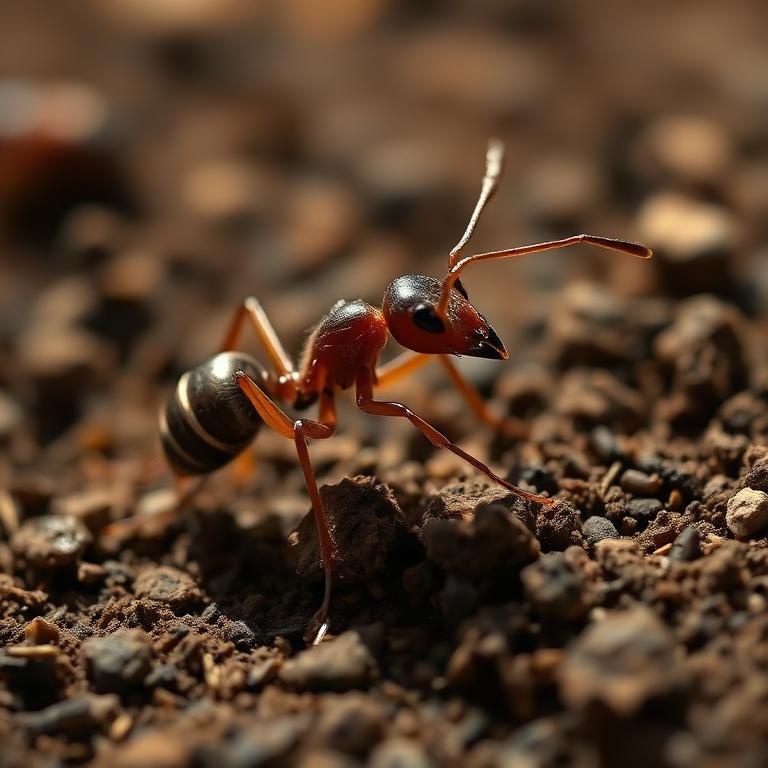
Linepithema humile, a dolichoderine ant, measures 2.2–2.8 mm, displaying a uniform light-brown coloration, lacking the characteristic acidopore of formicine ants. Queens are morphologically similar to workers but larger (4-5 mm), with a more robust mesosoma for egg production. Colony reproduction is primarily by budding, where one or more queens, accompanied by workers and brood, migrate to establish new nests, bypassing nuptial flights typical of many ant species. A queen can produce up to 60 eggs daily, contributing to rapid colony growth. Workers live for several months, while queens can survive for multiple years, maintaining sustained reproductive output. These ants thrive in a temperature range of 15–30 °C with moderate to high humidity; extreme temperatures and arid conditions limit their distribution.
Behaviour
Argentine ants are active both day and night, though foraging peaks in early morning and late evening, adjusting to environmental temperatures. They exhibit cooperative polydomy and polygyny, forming intricate supercolonies that can span vast geographical areas and contain millions of workers and thousands of queens, reducing inter-colony aggression within these expansive networks. Dispersal primarily occurs through 'budding,' which is often facilitated by human activity, allowing them to rapidly colonize new areas. Communication involves sophisticated trail pheromones, laid from the Gaster, allowing efficient recruitment to food sources and the establishment of persistent foraging trails. Their aggressive displacement of native ant species and symbiotic tending of honeydew-producing hemipterans, particularly aphids and scale insects, significantly impact local ecosystems and agricultural productivity. Human structures can suffer aesthetic damage from foraging trails and minor electrical issues if ants nest within appliances.
Habits
Argentine ants prefer moist, sheltered nesting sites, commonly found under rocks, logs, leaf litter, concrete slabs, and mulched areas, but readily adapt to indoor harborage in wall voids, under floors, or within potted plants during adverse outdoor conditions. Their foraging patterns are highly organized, with workers following established pheromone trails extending hundreds of feet from the nest, often along structural elements like foundation edges, utility lines, and tree branches. Foraging ranges can be extensive, covering an area of 50-100 meters around the colony. Infestations are often seasonal, with ants seeking indoor refuge during periods of heavy rain, drought, or extreme temperatures. Conducive conditions include abundant year-round moisture, accessible food sources (especially sugary substances), and harborage close to human activity. Technicians should look for highly organized, multi-lane foraging trails, the presence of unattended honeydew-producing insects on plants, and the absence of aggressive encounters with other ant species, indicating a dominant infestation.
Control methods
- 1Sweet liquid baits (sugar + low-dose borate or fipronil)
- 2Treat trails, not individual ants
- 3Trim vegetation touching structures
- 4Seal entry points around utilities
- 5Reduce outdoor moisture and irrigation overspray
- 6Perimeter non-repellent residual at slab edge
Tailored to Argentine Ant
IPM Procedure Checklist
Inspection
- Follow trails to nests, food and moisture sources
- Inspect wall voids, slab edges and exterior soil
- Place non-repellent monitors at trail crossings
Identification
- Confirm Argentine Ant (Linepithema humile) — not a look-alike
- Note life stage and risk level: Moderate
- Capture clear photos and samples for the record
Action Thresholds
- Trigger action when monitor counts trend up
- Re-evaluate weekly during active season
- Document trigger criteria in the IPM plan
Prevention
- Seal entry cracks, utility penetrations and weep holes
- Eliminate honeydew-producing pests on landscape plants
- Store food in sealed containers and clean spills promptly
Control Methods
- Sweet liquid baits (sugar + low-dose borate or fipronil)
- Treat trails, not individual ants
- Trim vegetation touching structures
- Seal entry points around utilities
Monitoring & Evaluation
- Service monitors on schedule and trend captures
- Re-inspect for Argentine Ant activity at follow-up
- Adjust tactics based on data; report findings to client