All pests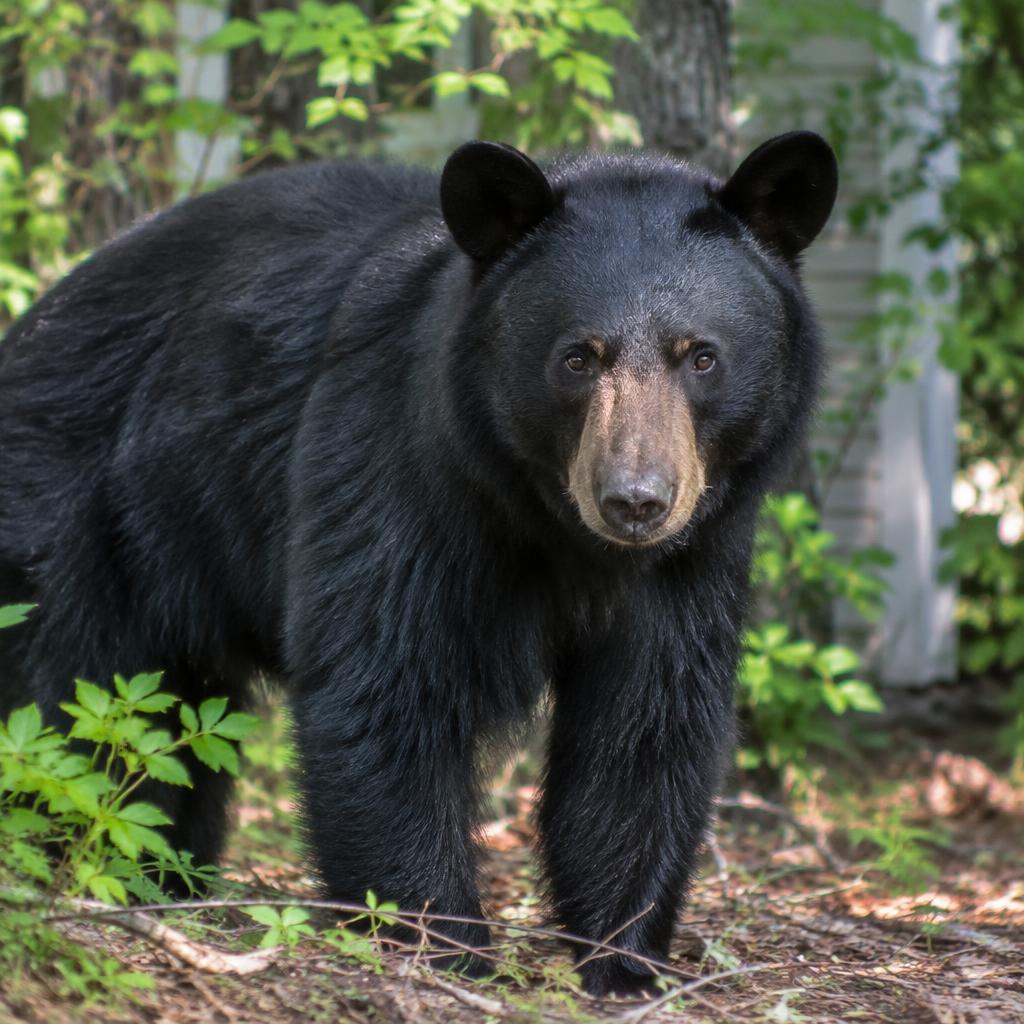 View full procedure
Mammal
American Black Bear
Ursus americanus
High Risk
Biology
Ursus americanus is a medium-sized bear, 60–250 kg, with glossy black fur, a brown muzzle, and rounded ears. It is highly adaptable and increasingly common in suburban-forest interfaces across North America.
Behaviour
Black bears are omnivorous and strongly food-motivated. They raid garbage, bird feeders, compost, pet food, fruit trees, beehives, and outdoor grills. They are usually shy but can become habituated and bold around reliable food sources.
Habits
Bears can damage doors, windows, vehicles, and sheds to access food. Habituated bears pose safety risks to people and pets and may need to be relocated or destroyed by wildlife agencies. Preventive food management is the most effective control.
Control methods
- 1Use bear-resistant garbage cans and store them in garages
- 2Remove bird feeders during active bear seasons
- 3Keep grills clean and store them indoors
- 4Pick ripe fruit and secure compost, beehives, and chicken coops
- 5Install electric fencing for livestock, orchards, and apiaries
- 6Report bold or aggressive bears to wildlife authorities immediately
Tailored to American Black Bear
IPM Procedure Checklist
Step 1
Inspection
- Survey interior and exterior for evidence and conducive conditions
- Document findings with photos and a site map
- Place monitors to confirm activity
Step 2
Identification
- Confirm American Black Bear (Ursus americanus) — not a look-alike
- Note life stage and risk level: High
- Capture clear photos and samples for the record
Step 3
Action Thresholds
- Zero-tolerance: act on first confirmed sighting
- Notify client and document the trigger event
- Prioritize health and regulatory risk in the plan
Step 4
Prevention
- Exclude entry points and harborage
- Improve sanitation and moisture control
- Modify habitat around the structure
Step 5
Control Methods
- Use bear-resistant garbage cans and store them in garages
- Remove bird feeders during active bear seasons
- Keep grills clean and store them indoors
- Pick ripe fruit and secure compost, beehives, and chicken coops
Step 6
Monitoring & Evaluation
- Service monitors on schedule and trend captures
- Re-inspect for American Black Bear activity at follow-up
- Adjust tactics based on data; report findings to client